Craftsmanship

Top Shelf Tequila Brands: What Sets Elite Spirits Apart from Mass Market Options

Top Shelf Tequila Brands: What Sets Elite Spirits Apart from Mass Market Options

Top Shelf Tequila Brands: What Sets Elite Spirits Apart from Mass Market Options

Discover what sets top shelf tequila apart – pure agave, artisan methods, and bold flavors that leave mass brands behind!

Discover what sets top shelf tequila apart – pure agave, artisan methods, and bold flavors that leave mass brands behind!

Discover what sets top shelf tequila apart – pure agave, artisan methods, and bold flavors that leave mass brands behind!

Author / Emerald Spear Tequila

Author / Emerald Spear Tequila

Author / Emerald Spear Tequila

August 6, 2025

August 6, 2025

August 6, 2025

Key Points:

  • Premium tequila ratings focus on 100% Blue Weber agave, highland sourcing, and traditional production methods over marketing claims

  • Highland-grown agave consistently produces higher-rated tequilas due to superior flavor development from volcanic soil and cooler temperatures

  • Small-batch production preserves delicate flavor compounds that mass production methods often compromise or eliminate

  • Award-winning tequilas share specific characteristics: copper distillation, traditional fermentation, and zero artificial additives

  • Expert panels evaluate complexity, balance, and finish quality when determining the highest ratings using various professional evaluation systems

The world of premium tequila has evolved far beyond the harsh, burning shots of college memories. Today's top shelf tequila brands represent centuries of refined craftsmanship, meticulous attention to detail, and an unwavering commitment to quality that separates true artisans from mass producers.

Understanding what elevates certain tequilas to premium status requires examining the specific production methods, sourcing decisions, and quality benchmarks that consistently earn recognition from industry experts. These distinctions matter whether you're building a premium bar collection or seeking to understand why some bottles command respect while others gather dust.

What Makes a Tequila "Top Shelf"?

Top shelf tequila refers to premium quality spirits made using only the finest ingredients and traditional methods that have been refined over generations. These tequilas generally age longer and demonstrate superior craftsmanship, resulting in smoother and more complex flavor profiles that justify their premium positioning.

The key difference between top shelf and standard tequilas lies in the quality of the Blue Weber agave plant used and the production methods employed. Elite tequila brands consistently use 100% Blue Weber agave sourced from specific highland regions, traditional cooking methods, and small-batch production techniques that preserve the delicate compounds that create exceptional flavor.

The Foundation of Excellence: Agave Selection and Terroir

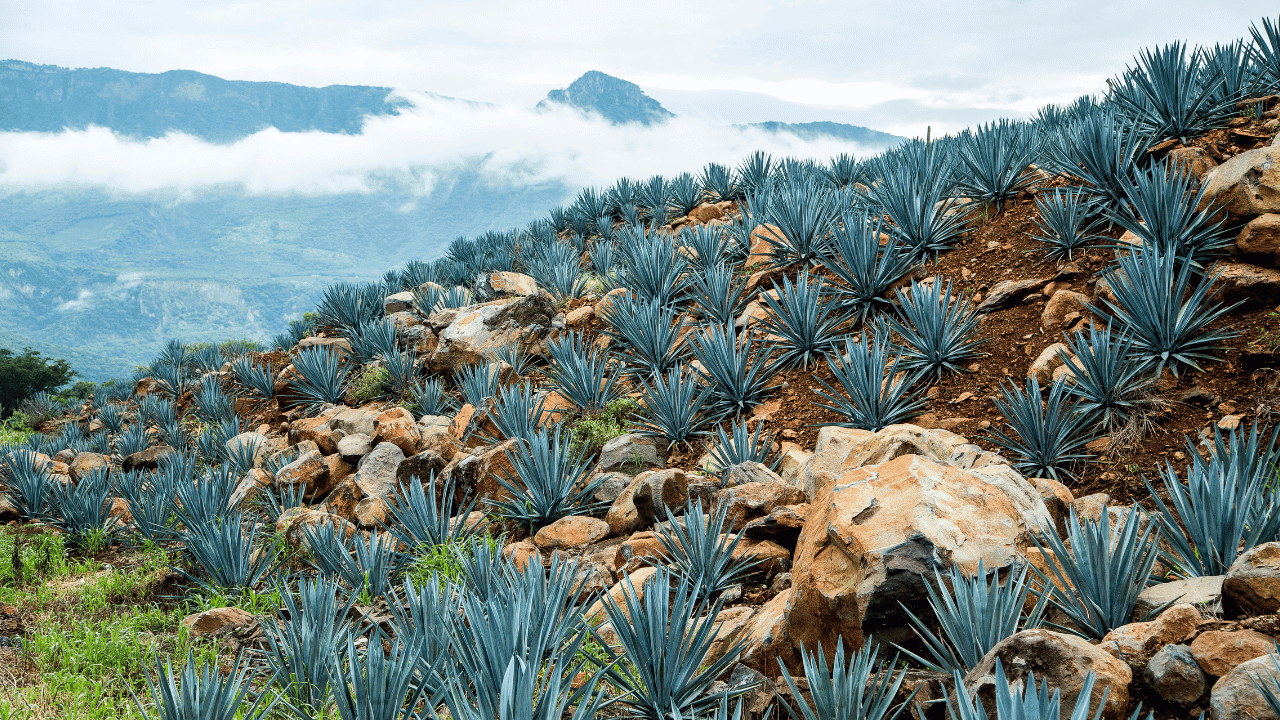
Elite tequila production begins in the fields of Jalisco, where the choice between highland and lowland agave fundamentally shapes the final product's character. This decision influences every aspect of the tequila's flavor profile and directly impacts its potential for achieving top ratings.

Highland agave, grown at elevations of 6,000-7,500 feet, develops higher sugar content due to cooler nighttime temperatures and volcanic soil composition. The slower maturation process in these conditions creates more complex flavor compounds that expert panels consistently recognize in their highest-rated selections. Lowland agave, grown at 3,500-5,200 feet elevation, produces earthier, more vegetal characteristics that, while authentic, typically receive lower complexity scores.

Highland Agave Quality Indicators

Premium producers focus on specific maturity markers when selecting agave for their highest rated tequila expressions:

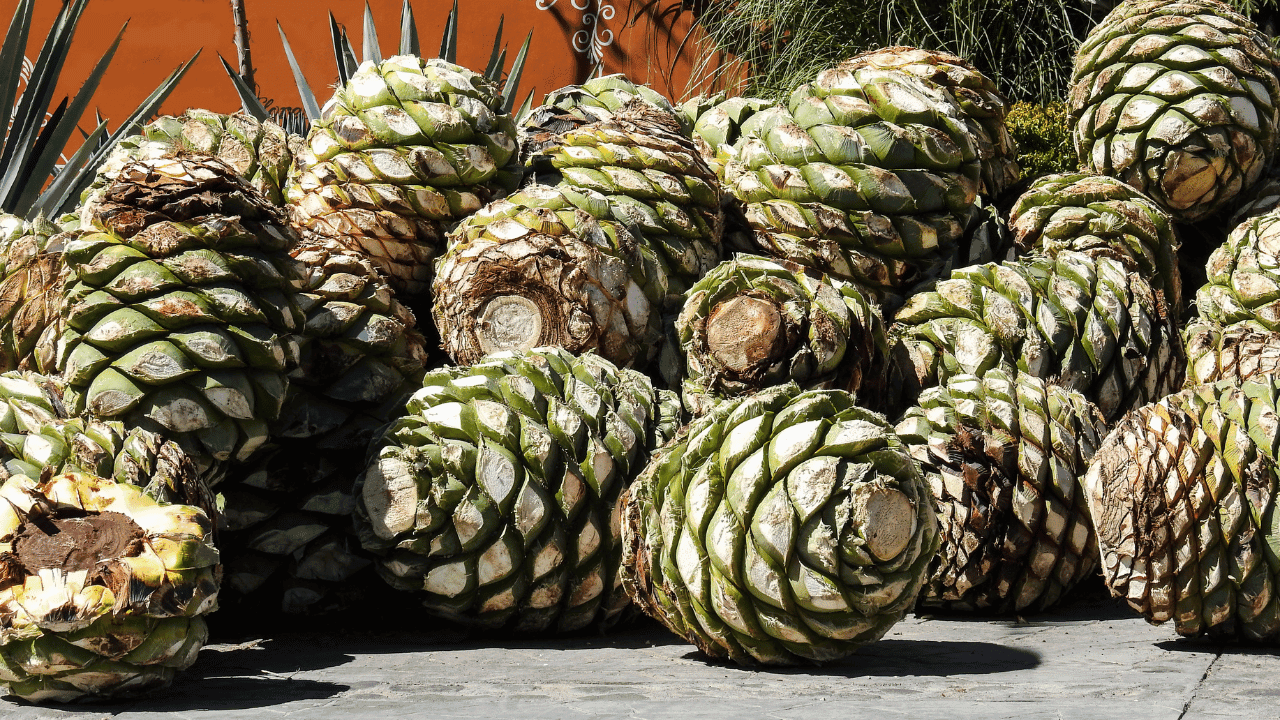
  • Sugar content levels reaching optimal brix measurements after 6-12 year maturation cycles

  • Piña weight consistency indicating proper development and sugar concentration

  • Harvest timing precision ensuring peak ripeness without over-maturation

  • Visual quality assessment identifying plants free from disease or stress damage

  • Jimador expertise utilizing skilled harvesters who understand subtle maturity indicators

The relationship between agave quality and final ratings remains consistent across all major tequila competitions, as documented by Tasting Table's comprehensive brand analysis.

Regional Terroir Impact

The specific microclimate within Jalisco's denominación de origen creates measurable differences in agave character that translate directly to tasting panel scores. Highland regions like Los Altos consistently produce agave with characteristics that align with judges' preferences for complexity and balance.

Highland vs. Lowland Agave Characteristics:

Factor

Highland Agave

Lowland Agave

Primary Flavors

Citrus, floral, fruit-forward

Earthy, vegetal, mineral

Sugar Content

Higher concentration

Moderate levels

Aromatics

Bright, complex

Subdued, earthy

Body/Mouthfeel

Silky, medium-bodied

Fuller, more robust

Expert Preference

Consistently higher ratings

Variable scores

These terroir-driven differences explain why certain regions dominate the top shelf tequila brands categories year after year.

Regional Terroir Deep Dive: The Highland Advantage

The Jalisco highlands encompass several distinct subregions, each contributing unique characteristics to the agave grown within their boundaries. Understanding these specific areas reveals why certain locations consistently produce the raw materials that become highest rated tequila expressions.

Los Altos de Jalisco represents the most prestigious tequila-producing region, with specific municipalities earning recognition for exceptional agave quality. The elevation, soil composition, and microclimate variations within this region create the conditions that expert panels consistently recognize in their highest-rated selections.

Municipal Terroir Characteristics

The municipalities within Los Altos each contribute distinct characteristics to agave development that influence final tequila quality:

  • Arandas producing agave with pronounced citrus characteristics and bright acidity levels

  • Jesús María known for agave with complex herbal notes and exceptional sugar development

  • Atotonilco el Alto delivering agave with balanced sweetness and mineral undertones

  • Tepatitlán contributing agave with floral aromatics and refined flavor complexity

  • San Julián providing agave with distinctive fruit-forward characteristics and natural sweetness

Each municipality's specific elevation, soil type, and rainfall patterns create measurable differences in agave character that carry through to final tequila quality.

Soil Composition Effects on Agave Character

The volcanic soil composition throughout the Jalisco highlands contributes specific mineral content that influences agave flavor development and sugar concentration. This geological foundation creates the terroir characteristics that distinguish highland tequilas from their lowland counterparts.

Highland Soil Characteristics and Their Impact:

Soil Component

Concentration Level

Agave Impact

Tequila Characteristic

Volcanic Ash

High

Enhanced root development

Mineral complexity

Iron Oxide

Moderate

Stress resistance

Concentrated flavors

Calcium Carbonate

Variable

pH balance control

Smooth acidity

Organic Matter

Low

Slow growth promotion

Intense flavor development

Drainage Properties

Excellent

Root health optimization

Clean flavor profiles

These soil characteristics create the foundation for agave plants that develop the complex flavor compounds expert panels value in their highest ratings.

Climate Data Correlation With Quality Indicators

The specific climate conditions within the Jalisco highlands create optimal growing environments for premium agave development. Temperature variations, rainfall patterns, and seasonal changes directly influence the sugar development and flavor compound formation that distinguish premium tequila brands.

Highland Climate Factors:

  • Elevation range from 6,000 to 7,500 feet creating optimal temperature differential

  • Average annual rainfall between 32-40 inches providing adequate moisture without oversaturation

  • Temperature variation with 70-80°F days and 45-55°F nights promoting slow sugar development

  • Dry season length of 6-7 months concentrating flavors through controlled stress

  • Growing season consistency allowing predictable maturation cycles for harvest planning

These climate conditions work together to create the slow agave maturation that develops the complex characteristics expert panels consistently recognize as quality indicators.

Harvest Timing Variations by Microregion

Different areas within the highlands experience subtle variations in optimal harvest timing due to microclimate differences and elevation changes. Understanding these patterns helps explain why certain producers consistently source superior agave for their highest-rated expressions.

Elite producers work with experienced jimadores who understand the specific harvest indicators for each microregion:

  • Visual maturity assessment recognizing optimal piña development in different soil types

  • Sugar content testing using refractometers to measure brix levels across growing areas

  • Seasonal timing adjustments accounting for elevation and exposure variations

  • Plant stress indicators identifying optimal ripeness without over-maturation

  • Weather pattern consideration timing harvests around rainfall and temperature cycles

This regional expertise ensures that agave reaches peak quality before harvest, creating the foundation for tequilas that achieve the highest expert ratings.

Producer Location Mapping and Quality Correlation

The most consistently high-rated tequila brands source their agave from specific highland locations that have demonstrated superior quality characteristics over multiple harvest cycles. This geographic consistency explains why certain producers maintain premium status year after year.

Highland Location Quality Indicators:

Municipality

Elevation Range

Primary Characteristics

Notable Producers

Arandas

6,700-7,200 ft

Citrus-forward, bright acidity

Multiple premium brands

Jesús María

6,100-7,400 ft

Herbal complexity, high sugar

Premium producers

Atotonilco

6,600-7,100 ft

Mineral balance, refined character

Award-winning labels

Tepatitlán

5,900-6,900 ft

Floral aromatics, smooth texture

Recognized brands

The correlation between specific highland locations and consistent quality results demonstrates the importance of terroir in creating the agave character that expert panels reward with top ratings.

Production Methods That Define Elite Quality

The transformation from premium agave to award-winning tequila requires production techniques that preserve and enhance the raw material's inherent quality. Elite tequila brands employ specific methods that consistently result in higher expert ratings and industry recognition.

Traditional cooking methods form the foundation of superior tequila production. Slow-cooking agave piñas in brick or stone ovens allows for proper caramelization of natural sugars without introducing bitter compounds that faster industrial methods often create. This patience translates directly to smoother, more complex final products that judges recognize in blind tastings.

Critical Production Stages for Premium Quality

Each stage of premium tequila production contributes specific elements that expert panels evaluate during rating assessments:

  • Cooking temperature control maintaining optimal heat levels for sugar development

  • Fermentation vessel selection choosing materials that enhance rather than mask agave character

  • Yeast strain decisions utilizing wild or proprietary cultures for complexity development

  • Distillation equipment quality employing copper stills for superior flavor refinement

  • Cut point precision selecting only the finest portions of each distillation run

The consistency of these methods across multiple batches demonstrates the discipline required for sustained excellence, as documented by industry professionals.

Agave Fermentation Standards

Elite tequila producers understand that fermentation represents the stage where agave sugars transform into the complex compounds that create award-winning flavor profiles. Open-air fermentation allows natural yeasts to contribute subtle complexity that closed systems cannot replicate.

Traditional vs. Industrial Fermentation Comparison:

Method

Time Required

Flavor Impact

Rating Correlation

Open-air/Wild Yeast

72-96 hours

Complex, nuanced

Higher expert scores

Controlled/Commercial Yeast

24-48 hours

Clean, predictable

Moderate ratings

Industrial/Accelerated

12-24 hours

Simplified profile

Lower complexity scores

The time investment required for traditional fermentation methods directly correlates with the complexity levels that rating panels value most highly.

Note: Some premium distilleries, such as NOM1414, employ unique practices during fermentation, including playing classical music. However, this is a specialized technique used by select producers rather than a standard industry practice. 

Distillation Mastery and Equipment Selection

The distillation process represents where skilled craftsmanship transforms fermented agave into the refined spirit that experts evaluate for premium ratings. Equipment choices and technique precision separate premium tequila brands from mass market operations in measurable ways.

Copper still distillation remains the gold standard for highest rated tequila due to copper's unique chemical properties. The metal removes sulfur compounds while catalyzing reactions that develop fruity esters and complex aromatics that judges consistently recognize as quality indicators. Stainless steel equipment, while more efficient, cannot replicate these chemical interactions.

Distillation Quality Factors

Expert rating panels evaluate specific characteristics that result from superior distillation practices:

  • Congener balance maintaining optimal levels of flavor compounds without harshness

  • Alcohol integration achieving smooth ethanol incorporation without burning sensations

  • Aromatic preservation retaining volatile compounds that create complex nose profiles

  • Cut precision selecting only the heart of each distillation for final blending

  • Consistency control maintaining uniform quality across production batches

These technical aspects translate to the sensory qualities that separate premium tequila brands from standard offerings.

The Science of Superior Distillation

Distillation requires understanding the optimal conditions that preserve agave character while removing unwanted compounds. Master distillers monitor variables constantly to ensure results that meet expert panel expectations.

Precision at each stage ensures the final product exhibits the balance and complexity that expert panels reward with top ratings.

Technical Quality Standards That Define Elite Performance

The highest rated tequila brands meet specific, measurable quality benchmarks that professional evaluators use to distinguish exceptional spirits from standard offerings. These technical standards go beyond subjective taste preferences to examine the chemical and sensory characteristics that indicate superior production and craftsmanship.

Professional evaluation laboratories employ sophisticated analytical equipment to measure the compounds that create premium tequila's distinctive character. These scientific assessments complement sensory evaluation to provide comprehensive quality analysis.

Chemical Analysis Standards

Premium tequila producers submit their products for comprehensive chemical analysis that reveals quality indicators:

  • Methanol content levels below regulatory limits indicating proper distillation practices

  • Congener ratios showing complex flavor compound development during fermentation

  • Ester concentration measurements revealing aromatic compounds from traditional yeast fermentation

  • Aldehyde balance assessment demonstrating proper distillation technique

  • Overall purity evaluation ensuring clean alcohol integration

These laboratory results provide objective data that correlates with expert panel evaluations and consumer quality perception.

Additive Detection and Purity Assessment

Top shelf tequila brands maintain strict purity standards that prohibit the use of artificial additives, colorings, or flavor enhancers. Professional evaluation includes specific testing protocols to verify additive-free production claims, according to analytical chemistry research.

Modern analytical techniques can detect artificial additives at extremely low concentrations:

  • Glycerin detection identifying artificial smoothness enhancement attempts

  • Caramel coloring analysis ensuring natural color development from production processes

  • Artificial flavor compound identification verifying authentic agave character preservation

  • Sugar additive measurement confirming natural sweetness from agave sources only

  • Vanilla extract detection ensuring no artificial aging shortcuts or flavor masking

Elite brands voluntarily submit to these rigorous testing protocols to demonstrate their commitment to authentic production methods.

Mouthfeel and Texture Evaluation Standards

Professional evaluators use specific criteria to assess the physical characteristics that distinguish premium tequila brands from standard offerings. These tactile qualities result from production decisions and indicate overall quality levels.

Mouthfeel Assessment Categories:

Characteristic

Elite Standard

Evaluation Method

Quality Correlation

Viscosity

Medium body, silky

Coating assessment

Highland agave indicator

Heat Level

Warm, not burning

Alcohol integration test

Distillation skill measure

Smoothness

Refined, polished

Texture evaluation

Production quality gauge

Astringency

Minimal, balanced

Drying sensation check

Copper still effectiveness

Length

Extended presence

Flavor persistence timing

Complexity development

These physical characteristics provide immediate quality feedback that correlates strongly with overall expert ratings and consumer satisfaction levels.

Award-Winning Characteristics: What Judges Actually Evaluate

Professional tequila evaluation follows specific protocols that examine measurable quality indicators rather than subjective preferences. Understanding these criteria reveals why certain production methods consistently produce higher-rated spirits while others struggle to achieve recognition.

Expert panels evaluate tequila using various scoring systems that assess appearance, aroma, taste, and finish independently. Each category contributes to overall ratings, with the highest scores reserved for expressions that excel across all evaluation areas without significant weaknesses.

Professional Evaluation Criteria

Rating panels focus on specific sensory characteristics that indicate superior production and quality:

  • Visual clarity demonstrating proper filtration and absence of impurities

  • Aromatic complexity showing layered scents that evolve in the glass

  • Palate balance achieving harmony between sweetness, acidity, and alcohol integration

  • Finish quality maintaining flavor presence and evolution after swallowing

  • Overall harmony displaying cohesive integration of all sensory elements

These technical assessments remove personal preference bias and focus on objective quality indicators.

Production Volume and Quality Correlation

The relationship between production scale and quality ratings reveals important insights about what separates premium tequila brands from mass market offerings. Small-batch production methods consistently correlate with higher expert ratings due to increased attention to detail and quality control capabilities.

Large-scale production operations face inherent challenges in maintaining the consistency and precision required for top ratings. While efficiency improves with volume, the delicate handling required for premium agave character preservation becomes increasingly difficult as batch sizes expand beyond artisanal levels.

Batch Size Impact on Quality

Premium tequila producers typically maintain production volumes that allow for hands-on oversight and precision control at every stage:

  • Small-batch advantages including detailed quality monitoring and immediate adjustment capabilities

  • Ingredient consistency maintaining uniform agave selection across limited production runs

  • Process control precision allowing real-time adjustments to cooking, fermentation, and distillation

  • Quality assurance depth enabling thorough evaluation of every production batch

  • Artisan involvement ensuring skilled craftspeople directly oversee critical production stages

This hands-on approach creates the consistency that expert panels recognize in their highest-rated selections.

The Hand-Numbered Difference

Premium producers often hand-number bottles to demonstrate their commitment to small-batch quality and traceability. This practice reflects the level of attention that goes into each production run and allows for quality tracking that mass production cannot replicate.

The combination of limited production volumes and individual bottle identification creates accountability standards that align with the quality expectations of professional rating panels. Each numbered bottle represents a specific batch that received dedicated attention throughout the production process.

Understanding Premium Tequila as an Investment Category

The market for collectible and investment-grade tequilas has evolved significantly as consumer education increases and premium spirits gain recognition as alternative investment assets. Understanding the factors that drive value appreciation helps serious enthusiasts make informed purchasing decisions beyond immediate consumption.

Premium tequila brands demonstrate investment characteristics similar to fine wines and aged spirits, with certain bottles appreciating over time. The combination of limited production, increasing demand, and brand recognition creates market dynamics that reward careful selection and proper storage.

The relationship between tequila price and expert ratings reveals important insights about value and investment potential. While higher prices often indicate superior quality, understanding the specific factors that justify premium pricing helps identify bottles with both exceptional quality and appreciation potential.

Collectible Tequila Markers and Rarity Factors

Certain characteristics consistently indicate investment-grade potential in premium tequila brands. Understanding these markers helps collectors identify bottles likely to maintain or increase value over time.

Key collectibility indicators include:

  • Limited production runs with specific batch numbers and production quantities

  • Hand-numbered bottles indicating artisanal attention and traceability

  • Single estate sourcing from specific highland municipalities or ranches

  • Traditional production methods using time-intensive techniques that limit scalability

  • Award recognition from major competitions and expert panels

  • Brand reputation consistency maintaining quality standards across multiple releases

  • Packaging distinctiveness including unique bottles, presentation cases, or artistic elements

These factors combine to create scarcity and desirability that support long-term value in the collectible spirits market.

Storage and Preservation for Investment Collections

Maintaining tequila quality over extended periods requires specific storage conditions that preserve both liquid integrity and collectible value. Proper preservation techniques protect the investment while maintaining the potential for future appreciation.

Optimal Storage Conditions:

Factor

Requirement

Impact on Value

Common Mistakes

Temperature

60-68°F consistent

PrEvents expansion/contraction

Temperature fluctuations

Light Exposure

Dark storage essential

PrEvents UV degradation

Direct sunlight exposure

Humidity Control

50-60% relative humidity

Preserves labels and seals

Excessive moisture

Position

Upright storage only

Maintains cork integrity

Horizontal storage

Vibration

Minimal movement

PrEvents sediment disturbance

High-traffic areas

Proper storage techniques ensure that investment-grade tequilas maintain their quality and collectible value over extended periods.

The investment potential of premium tequila brands reflects the broader maturation of the premium spirits market and increasing consumer appreciation for authentic craftsmanship. Collectors who understand quality indicators, market dynamics, and proper preservation techniques can build collections that provide both enjoyment and potential value retention over time.

Frequently Asked Questions About Top Shelf Tequila Brands

What makes a tequila receive the highest ratings from experts?

Highest rated tequila brands consistently demonstrate superior agave quality, traditional production methods, and exceptional balance across all sensory categories. Expert panels evaluate visual clarity, aromatic complexity, palate harmony, and finish quality using various professional evaluation systems. Top-scoring tequilas exhibit perfect integration of flavors, extraordinary complexity, and flawless execution of traditional techniques.

How do highland and lowland agave affect tequila ratings?

Highland agave, grown at 6,000-7,500 feet elevation, produces tequilas with higher expert ratings due to increased sugar content and complex flavor development. The cooler nighttime temperatures and volcanic soil create citrus, floral, and fruit-forward characteristics that judges consistently prefer. Lowland agave, grown at 3,500-5,200 feet elevation, produces earthier, more vegetal profiles that typically receive lower complexity scores from rating panels.

What production methods consistently result in higher ratings?

Premium-rated tequilas share specific production characteristics: slow-cooking in traditional masonry ovens, open-air fermentation with wild yeasts, copper still distillation, and zero additives. Small-batch production allows for precise quality control at every stage. Mass production methods compromise the delicate flavor compounds that expert panels value most highly.

Do small-batch tequilas always rate higher than large production brands?

Small-batch production strongly correlates with higher expert ratings due to increased attention to detail and quality control capabilities. While some large producers maintain quality standards, the hands-on oversight possible with limited production volumes consistently results in the balance and complexity that rating panels reward with top scores.

How accurate are tequila competition ratings for consumer quality?

Professional tequila competitions use standardized evaluation protocols that assess objective quality indicators rather than personal preferences. These ratings reliably predict consumer satisfaction among serious tequila enthusiasts. However, individual taste preferences may vary, and competition results serve best as indicators of technical excellence and production quality.

What should consumers look for when selecting top shelf tequila brands?

Focus on 100% Blue Weber agave, highland sourcing, traditional production methods, and small-batch craftsmanship. Hand-numbered bottles, copper distillation, and zero additives indicate quality commitment. Competition awards from recognized organizations provide objective quality validation. Avoid tequilas with artificial additives or industrial production shortcuts.

How much should I expect to pay for genuine top shelf tequila?

Authentic top shelf tequila brands typically range from $80-500+ depending on age and rarity. Entry-level premium options start around $80-150, while exceptional small-batch expressions can exceed $300. Price generally correlates with expert ratings, but understanding production methods helps identify value within each price tier.

Beyond the Bottle: The Elite Tequila Experience

The highest rated tequila brands represent more than exceptional production methods. They embody a complete commitment to excellence that extends from agave field selection through final bottling and beyond. This comprehensive approach to quality creates the experiences that separate premium brands from standard offerings.

Expert panels recognize tequilas that demonstrate consistency across multiple batches, indicating systematic quality control rather than occasional excellence. The brands that achieve sustained high ratings have established production protocols that deliver reliable quality regardless of external variables or market pressures.

Consistency Indicators

Professional evaluators look for evidence of systematic quality management in their highest-rated selections:

  • Batch-to-batch uniformity demonstrating reliable production control systems

  • Seasonal consistency maintaining quality despite agave harvest variations

  • Long-term stability showing sustained excellence across multiple years

  • Competition performance earning recognition across different judging panels

  • Industry reputation gaining acknowledgment from peers and experts

These factors distinguish brands that achieve premium status from those that experience occasional success.

The Emerald Spear Standard

Our highland-grown Blue Weber agave receives the traditional treatment that preserves its complex character through slow cooking in masonry ovens and open-air fermentation enhanced by classical music – a unique practice that reflects our dedication to artisanal methods.

The small-batch approach ensures that every bottle receives the attention to detail required for premium quality. Hand-numbered bottles reflect our commitment to traceability and accountability at every production stage. Copper still distillation preserves the delicate aromatics that expert panels value while removing impurities that compromise quality.

This dedication to traditional methods and uncompromising standards creates the foundation for consistent excellence. Each bottle represents our commitment to the brotherhood values and coastal adventure spirit that inspired our founding, backed by production methods that earn respect from the most discerning palates.

The highest rated tequila brands share common elements: superior agave sourcing, traditional production methods, small-batch attention to detail, and unwavering commitment to quality over efficiency. Experience the difference that disciplined craftsmanship creates in every sip of Emerald Spear Tequila.
Key Points:

  • Premium tequila ratings focus on 100% Blue Weber agave, highland sourcing, and traditional production methods over marketing claims

  • Highland-grown agave consistently produces higher-rated tequilas due to superior flavor development from volcanic soil and cooler temperatures

  • Small-batch production preserves delicate flavor compounds that mass production methods often compromise or eliminate

  • Award-winning tequilas share specific characteristics: copper distillation, traditional fermentation, and zero artificial additives

  • Expert panels evaluate complexity, balance, and finish quality when determining the highest ratings using various professional evaluation systems

The world of premium tequila has evolved far beyond the harsh, burning shots of college memories. Today's top shelf tequila brands represent centuries of refined craftsmanship, meticulous attention to detail, and an unwavering commitment to quality that separates true artisans from mass producers.

Understanding what elevates certain tequilas to premium status requires examining the specific production methods, sourcing decisions, and quality benchmarks that consistently earn recognition from industry experts. These distinctions matter whether you're building a premium bar collection or seeking to understand why some bottles command respect while others gather dust.

What Makes a Tequila "Top Shelf"?

Top shelf tequila refers to premium quality spirits made using only the finest ingredients and traditional methods that have been refined over generations. These tequilas generally age longer and demonstrate superior craftsmanship, resulting in smoother and more complex flavor profiles that justify their premium positioning.

The key difference between top shelf and standard tequilas lies in the quality of the Blue Weber agave plant used and the production methods employed. Elite tequila brands consistently use 100% Blue Weber agave sourced from specific highland regions, traditional cooking methods, and small-batch production techniques that preserve the delicate compounds that create exceptional flavor.

The Foundation of Excellence: Agave Selection and Terroir

Elite tequila production begins in the fields of Jalisco, where the choice between highland and lowland agave fundamentally shapes the final product's character. This decision influences every aspect of the tequila's flavor profile and directly impacts its potential for achieving top ratings.

Highland agave, grown at elevations of 6,000-7,500 feet, develops higher sugar content due to cooler nighttime temperatures and volcanic soil composition. The slower maturation process in these conditions creates more complex flavor compounds that expert panels consistently recognize in their highest-rated selections. Lowland agave, grown at 3,500-5,200 feet elevation, produces earthier, more vegetal characteristics that, while authentic, typically receive lower complexity scores.

Highland Agave Quality Indicators

Premium producers focus on specific maturity markers when selecting agave for their highest rated tequila expressions:

  • Sugar content levels reaching optimal brix measurements after 6-12 year maturation cycles

  • Piña weight consistency indicating proper development and sugar concentration

  • Harvest timing precision ensuring peak ripeness without over-maturation

  • Visual quality assessment identifying plants free from disease or stress damage

  • Jimador expertise utilizing skilled harvesters who understand subtle maturity indicators

The relationship between agave quality and final ratings remains consistent across all major tequila competitions, as documented by Tasting Table's comprehensive brand analysis.

Regional Terroir Impact

The specific microclimate within Jalisco's denominación de origen creates measurable differences in agave character that translate directly to tasting panel scores. Highland regions like Los Altos consistently produce agave with characteristics that align with judges' preferences for complexity and balance.

Highland vs. Lowland Agave Characteristics:

Factor

Highland Agave

Lowland Agave

Primary Flavors

Citrus, floral, fruit-forward

Earthy, vegetal, mineral

Sugar Content

Higher concentration

Moderate levels

Aromatics

Bright, complex

Subdued, earthy

Body/Mouthfeel

Silky, medium-bodied

Fuller, more robust

Expert Preference

Consistently higher ratings

Variable scores

These terroir-driven differences explain why certain regions dominate the top shelf tequila brands categories year after year.

Regional Terroir Deep Dive: The Highland Advantage

The Jalisco highlands encompass several distinct subregions, each contributing unique characteristics to the agave grown within their boundaries. Understanding these specific areas reveals why certain locations consistently produce the raw materials that become highest rated tequila expressions.

Los Altos de Jalisco represents the most prestigious tequila-producing region, with specific municipalities earning recognition for exceptional agave quality. The elevation, soil composition, and microclimate variations within this region create the conditions that expert panels consistently recognize in their highest-rated selections.

Municipal Terroir Characteristics

The municipalities within Los Altos each contribute distinct characteristics to agave development that influence final tequila quality:

  • Arandas producing agave with pronounced citrus characteristics and bright acidity levels

  • Jesús María known for agave with complex herbal notes and exceptional sugar development

  • Atotonilco el Alto delivering agave with balanced sweetness and mineral undertones

  • Tepatitlán contributing agave with floral aromatics and refined flavor complexity

  • San Julián providing agave with distinctive fruit-forward characteristics and natural sweetness

Each municipality's specific elevation, soil type, and rainfall patterns create measurable differences in agave character that carry through to final tequila quality.

Soil Composition Effects on Agave Character

The volcanic soil composition throughout the Jalisco highlands contributes specific mineral content that influences agave flavor development and sugar concentration. This geological foundation creates the terroir characteristics that distinguish highland tequilas from their lowland counterparts.

Highland Soil Characteristics and Their Impact:

Soil Component

Concentration Level

Agave Impact

Tequila Characteristic

Volcanic Ash

High

Enhanced root development

Mineral complexity

Iron Oxide

Moderate

Stress resistance

Concentrated flavors

Calcium Carbonate

Variable

pH balance control

Smooth acidity

Organic Matter

Low

Slow growth promotion

Intense flavor development

Drainage Properties

Excellent

Root health optimization

Clean flavor profiles

These soil characteristics create the foundation for agave plants that develop the complex flavor compounds expert panels value in their highest ratings.

Climate Data Correlation With Quality Indicators

The specific climate conditions within the Jalisco highlands create optimal growing environments for premium agave development. Temperature variations, rainfall patterns, and seasonal changes directly influence the sugar development and flavor compound formation that distinguish premium tequila brands.

Highland Climate Factors:

  • Elevation range from 6,000 to 7,500 feet creating optimal temperature differential

  • Average annual rainfall between 32-40 inches providing adequate moisture without oversaturation

  • Temperature variation with 70-80°F days and 45-55°F nights promoting slow sugar development

  • Dry season length of 6-7 months concentrating flavors through controlled stress

  • Growing season consistency allowing predictable maturation cycles for harvest planning

These climate conditions work together to create the slow agave maturation that develops the complex characteristics expert panels consistently recognize as quality indicators.

Harvest Timing Variations by Microregion

Different areas within the highlands experience subtle variations in optimal harvest timing due to microclimate differences and elevation changes. Understanding these patterns helps explain why certain producers consistently source superior agave for their highest-rated expressions.

Elite producers work with experienced jimadores who understand the specific harvest indicators for each microregion:

  • Visual maturity assessment recognizing optimal piña development in different soil types

  • Sugar content testing using refractometers to measure brix levels across growing areas

  • Seasonal timing adjustments accounting for elevation and exposure variations

  • Plant stress indicators identifying optimal ripeness without over-maturation

  • Weather pattern consideration timing harvests around rainfall and temperature cycles

This regional expertise ensures that agave reaches peak quality before harvest, creating the foundation for tequilas that achieve the highest expert ratings.

Producer Location Mapping and Quality Correlation

The most consistently high-rated tequila brands source their agave from specific highland locations that have demonstrated superior quality characteristics over multiple harvest cycles. This geographic consistency explains why certain producers maintain premium status year after year.

Highland Location Quality Indicators:

Municipality

Elevation Range

Primary Characteristics

Notable Producers

Arandas

6,700-7,200 ft

Citrus-forward, bright acidity

Multiple premium brands

Jesús María

6,100-7,400 ft

Herbal complexity, high sugar

Premium producers

Atotonilco

6,600-7,100 ft

Mineral balance, refined character

Award-winning labels

Tepatitlán

5,900-6,900 ft

Floral aromatics, smooth texture

Recognized brands

The correlation between specific highland locations and consistent quality results demonstrates the importance of terroir in creating the agave character that expert panels reward with top ratings.

Production Methods That Define Elite Quality

The transformation from premium agave to award-winning tequila requires production techniques that preserve and enhance the raw material's inherent quality. Elite tequila brands employ specific methods that consistently result in higher expert ratings and industry recognition.

Traditional cooking methods form the foundation of superior tequila production. Slow-cooking agave piñas in brick or stone ovens allows for proper caramelization of natural sugars without introducing bitter compounds that faster industrial methods often create. This patience translates directly to smoother, more complex final products that judges recognize in blind tastings.

Critical Production Stages for Premium Quality

Each stage of premium tequila production contributes specific elements that expert panels evaluate during rating assessments:

  • Cooking temperature control maintaining optimal heat levels for sugar development

  • Fermentation vessel selection choosing materials that enhance rather than mask agave character

  • Yeast strain decisions utilizing wild or proprietary cultures for complexity development

  • Distillation equipment quality employing copper stills for superior flavor refinement

  • Cut point precision selecting only the finest portions of each distillation run

The consistency of these methods across multiple batches demonstrates the discipline required for sustained excellence, as documented by industry professionals.

Agave Fermentation Standards

Elite tequila producers understand that fermentation represents the stage where agave sugars transform into the complex compounds that create award-winning flavor profiles. Open-air fermentation allows natural yeasts to contribute subtle complexity that closed systems cannot replicate.

Traditional vs. Industrial Fermentation Comparison:

Method

Time Required

Flavor Impact

Rating Correlation

Open-air/Wild Yeast

72-96 hours

Complex, nuanced

Higher expert scores

Controlled/Commercial Yeast

24-48 hours

Clean, predictable

Moderate ratings

Industrial/Accelerated

12-24 hours

Simplified profile

Lower complexity scores

The time investment required for traditional fermentation methods directly correlates with the complexity levels that rating panels value most highly.

Note: Some premium distilleries, such as NOM1414, employ unique practices during fermentation, including playing classical music. However, this is a specialized technique used by select producers rather than a standard industry practice. 

Distillation Mastery and Equipment Selection

The distillation process represents where skilled craftsmanship transforms fermented agave into the refined spirit that experts evaluate for premium ratings. Equipment choices and technique precision separate premium tequila brands from mass market operations in measurable ways.

Copper still distillation remains the gold standard for highest rated tequila due to copper's unique chemical properties. The metal removes sulfur compounds while catalyzing reactions that develop fruity esters and complex aromatics that judges consistently recognize as quality indicators. Stainless steel equipment, while more efficient, cannot replicate these chemical interactions.

Distillation Quality Factors

Expert rating panels evaluate specific characteristics that result from superior distillation practices:

  • Congener balance maintaining optimal levels of flavor compounds without harshness

  • Alcohol integration achieving smooth ethanol incorporation without burning sensations

  • Aromatic preservation retaining volatile compounds that create complex nose profiles

  • Cut precision selecting only the heart of each distillation for final blending

  • Consistency control maintaining uniform quality across production batches

These technical aspects translate to the sensory qualities that separate premium tequila brands from standard offerings.

The Science of Superior Distillation

Distillation requires understanding the optimal conditions that preserve agave character while removing unwanted compounds. Master distillers monitor variables constantly to ensure results that meet expert panel expectations.

Precision at each stage ensures the final product exhibits the balance and complexity that expert panels reward with top ratings.

Technical Quality Standards That Define Elite Performance

The highest rated tequila brands meet specific, measurable quality benchmarks that professional evaluators use to distinguish exceptional spirits from standard offerings. These technical standards go beyond subjective taste preferences to examine the chemical and sensory characteristics that indicate superior production and craftsmanship.

Professional evaluation laboratories employ sophisticated analytical equipment to measure the compounds that create premium tequila's distinctive character. These scientific assessments complement sensory evaluation to provide comprehensive quality analysis.

Chemical Analysis Standards

Premium tequila producers submit their products for comprehensive chemical analysis that reveals quality indicators:

  • Methanol content levels below regulatory limits indicating proper distillation practices

  • Congener ratios showing complex flavor compound development during fermentation

  • Ester concentration measurements revealing aromatic compounds from traditional yeast fermentation

  • Aldehyde balance assessment demonstrating proper distillation technique

  • Overall purity evaluation ensuring clean alcohol integration

These laboratory results provide objective data that correlates with expert panel evaluations and consumer quality perception.

Additive Detection and Purity Assessment

Top shelf tequila brands maintain strict purity standards that prohibit the use of artificial additives, colorings, or flavor enhancers. Professional evaluation includes specific testing protocols to verify additive-free production claims, according to analytical chemistry research.

Modern analytical techniques can detect artificial additives at extremely low concentrations:

  • Glycerin detection identifying artificial smoothness enhancement attempts

  • Caramel coloring analysis ensuring natural color development from production processes

  • Artificial flavor compound identification verifying authentic agave character preservation

  • Sugar additive measurement confirming natural sweetness from agave sources only

  • Vanilla extract detection ensuring no artificial aging shortcuts or flavor masking

Elite brands voluntarily submit to these rigorous testing protocols to demonstrate their commitment to authentic production methods.

Mouthfeel and Texture Evaluation Standards

Professional evaluators use specific criteria to assess the physical characteristics that distinguish premium tequila brands from standard offerings. These tactile qualities result from production decisions and indicate overall quality levels.

Mouthfeel Assessment Categories:

Characteristic

Elite Standard

Evaluation Method

Quality Correlation

Viscosity

Medium body, silky

Coating assessment

Highland agave indicator

Heat Level

Warm, not burning

Alcohol integration test

Distillation skill measure

Smoothness

Refined, polished

Texture evaluation

Production quality gauge

Astringency

Minimal, balanced

Drying sensation check

Copper still effectiveness

Length

Extended presence

Flavor persistence timing

Complexity development

These physical characteristics provide immediate quality feedback that correlates strongly with overall expert ratings and consumer satisfaction levels.

Award-Winning Characteristics: What Judges Actually Evaluate

Professional tequila evaluation follows specific protocols that examine measurable quality indicators rather than subjective preferences. Understanding these criteria reveals why certain production methods consistently produce higher-rated spirits while others struggle to achieve recognition.

Expert panels evaluate tequila using various scoring systems that assess appearance, aroma, taste, and finish independently. Each category contributes to overall ratings, with the highest scores reserved for expressions that excel across all evaluation areas without significant weaknesses.

Professional Evaluation Criteria

Rating panels focus on specific sensory characteristics that indicate superior production and quality:

  • Visual clarity demonstrating proper filtration and absence of impurities

  • Aromatic complexity showing layered scents that evolve in the glass

  • Palate balance achieving harmony between sweetness, acidity, and alcohol integration

  • Finish quality maintaining flavor presence and evolution after swallowing

  • Overall harmony displaying cohesive integration of all sensory elements

These technical assessments remove personal preference bias and focus on objective quality indicators.

Production Volume and Quality Correlation

The relationship between production scale and quality ratings reveals important insights about what separates premium tequila brands from mass market offerings. Small-batch production methods consistently correlate with higher expert ratings due to increased attention to detail and quality control capabilities.

Large-scale production operations face inherent challenges in maintaining the consistency and precision required for top ratings. While efficiency improves with volume, the delicate handling required for premium agave character preservation becomes increasingly difficult as batch sizes expand beyond artisanal levels.

Batch Size Impact on Quality

Premium tequila producers typically maintain production volumes that allow for hands-on oversight and precision control at every stage:

  • Small-batch advantages including detailed quality monitoring and immediate adjustment capabilities

  • Ingredient consistency maintaining uniform agave selection across limited production runs

  • Process control precision allowing real-time adjustments to cooking, fermentation, and distillation

  • Quality assurance depth enabling thorough evaluation of every production batch

  • Artisan involvement ensuring skilled craftspeople directly oversee critical production stages

This hands-on approach creates the consistency that expert panels recognize in their highest-rated selections.

The Hand-Numbered Difference

Premium producers often hand-number bottles to demonstrate their commitment to small-batch quality and traceability. This practice reflects the level of attention that goes into each production run and allows for quality tracking that mass production cannot replicate.

The combination of limited production volumes and individual bottle identification creates accountability standards that align with the quality expectations of professional rating panels. Each numbered bottle represents a specific batch that received dedicated attention throughout the production process.

Understanding Premium Tequila as an Investment Category

The market for collectible and investment-grade tequilas has evolved significantly as consumer education increases and premium spirits gain recognition as alternative investment assets. Understanding the factors that drive value appreciation helps serious enthusiasts make informed purchasing decisions beyond immediate consumption.

Premium tequila brands demonstrate investment characteristics similar to fine wines and aged spirits, with certain bottles appreciating over time. The combination of limited production, increasing demand, and brand recognition creates market dynamics that reward careful selection and proper storage.

The relationship between tequila price and expert ratings reveals important insights about value and investment potential. While higher prices often indicate superior quality, understanding the specific factors that justify premium pricing helps identify bottles with both exceptional quality and appreciation potential.

Collectible Tequila Markers and Rarity Factors

Certain characteristics consistently indicate investment-grade potential in premium tequila brands. Understanding these markers helps collectors identify bottles likely to maintain or increase value over time.

Key collectibility indicators include:

  • Limited production runs with specific batch numbers and production quantities

  • Hand-numbered bottles indicating artisanal attention and traceability

  • Single estate sourcing from specific highland municipalities or ranches

  • Traditional production methods using time-intensive techniques that limit scalability

  • Award recognition from major competitions and expert panels

  • Brand reputation consistency maintaining quality standards across multiple releases

  • Packaging distinctiveness including unique bottles, presentation cases, or artistic elements

These factors combine to create scarcity and desirability that support long-term value in the collectible spirits market.

Storage and Preservation for Investment Collections

Maintaining tequila quality over extended periods requires specific storage conditions that preserve both liquid integrity and collectible value. Proper preservation techniques protect the investment while maintaining the potential for future appreciation.

Optimal Storage Conditions:

Factor

Requirement

Impact on Value

Common Mistakes

Temperature

60-68°F consistent

PrEvents expansion/contraction

Temperature fluctuations

Light Exposure

Dark storage essential

PrEvents UV degradation

Direct sunlight exposure

Humidity Control

50-60% relative humidity

Preserves labels and seals

Excessive moisture

Position

Upright storage only

Maintains cork integrity

Horizontal storage

Vibration

Minimal movement

PrEvents sediment disturbance

High-traffic areas

Proper storage techniques ensure that investment-grade tequilas maintain their quality and collectible value over extended periods.

The investment potential of premium tequila brands reflects the broader maturation of the premium spirits market and increasing consumer appreciation for authentic craftsmanship. Collectors who understand quality indicators, market dynamics, and proper preservation techniques can build collections that provide both enjoyment and potential value retention over time.

Frequently Asked Questions About Top Shelf Tequila Brands

What makes a tequila receive the highest ratings from experts?

Highest rated tequila brands consistently demonstrate superior agave quality, traditional production methods, and exceptional balance across all sensory categories. Expert panels evaluate visual clarity, aromatic complexity, palate harmony, and finish quality using various professional evaluation systems. Top-scoring tequilas exhibit perfect integration of flavors, extraordinary complexity, and flawless execution of traditional techniques.

How do highland and lowland agave affect tequila ratings?

Highland agave, grown at 6,000-7,500 feet elevation, produces tequilas with higher expert ratings due to increased sugar content and complex flavor development. The cooler nighttime temperatures and volcanic soil create citrus, floral, and fruit-forward characteristics that judges consistently prefer. Lowland agave, grown at 3,500-5,200 feet elevation, produces earthier, more vegetal profiles that typically receive lower complexity scores from rating panels.

What production methods consistently result in higher ratings?

Premium-rated tequilas share specific production characteristics: slow-cooking in traditional masonry ovens, open-air fermentation with wild yeasts, copper still distillation, and zero additives. Small-batch production allows for precise quality control at every stage. Mass production methods compromise the delicate flavor compounds that expert panels value most highly.

Do small-batch tequilas always rate higher than large production brands?

Small-batch production strongly correlates with higher expert ratings due to increased attention to detail and quality control capabilities. While some large producers maintain quality standards, the hands-on oversight possible with limited production volumes consistently results in the balance and complexity that rating panels reward with top scores.

How accurate are tequila competition ratings for consumer quality?

Professional tequila competitions use standardized evaluation protocols that assess objective quality indicators rather than personal preferences. These ratings reliably predict consumer satisfaction among serious tequila enthusiasts. However, individual taste preferences may vary, and competition results serve best as indicators of technical excellence and production quality.

What should consumers look for when selecting top shelf tequila brands?

Focus on 100% Blue Weber agave, highland sourcing, traditional production methods, and small-batch craftsmanship. Hand-numbered bottles, copper distillation, and zero additives indicate quality commitment. Competition awards from recognized organizations provide objective quality validation. Avoid tequilas with artificial additives or industrial production shortcuts.

How much should I expect to pay for genuine top shelf tequila?

Authentic top shelf tequila brands typically range from $80-500+ depending on age and rarity. Entry-level premium options start around $80-150, while exceptional small-batch expressions can exceed $300. Price generally correlates with expert ratings, but understanding production methods helps identify value within each price tier.

Beyond the Bottle: The Elite Tequila Experience

The highest rated tequila brands represent more than exceptional production methods. They embody a complete commitment to excellence that extends from agave field selection through final bottling and beyond. This comprehensive approach to quality creates the experiences that separate premium brands from standard offerings.

Expert panels recognize tequilas that demonstrate consistency across multiple batches, indicating systematic quality control rather than occasional excellence. The brands that achieve sustained high ratings have established production protocols that deliver reliable quality regardless of external variables or market pressures.

Consistency Indicators

Professional evaluators look for evidence of systematic quality management in their highest-rated selections:

  • Batch-to-batch uniformity demonstrating reliable production control systems

  • Seasonal consistency maintaining quality despite agave harvest variations

  • Long-term stability showing sustained excellence across multiple years

  • Competition performance earning recognition across different judging panels

  • Industry reputation gaining acknowledgment from peers and experts

These factors distinguish brands that achieve premium status from those that experience occasional success.

The Emerald Spear Standard

Our highland-grown Blue Weber agave receives the traditional treatment that preserves its complex character through slow cooking in masonry ovens and open-air fermentation enhanced by classical music – a unique practice that reflects our dedication to artisanal methods.

The small-batch approach ensures that every bottle receives the attention to detail required for premium quality. Hand-numbered bottles reflect our commitment to traceability and accountability at every production stage. Copper still distillation preserves the delicate aromatics that expert panels value while removing impurities that compromise quality.

This dedication to traditional methods and uncompromising standards creates the foundation for consistent excellence. Each bottle represents our commitment to the brotherhood values and coastal adventure spirit that inspired our founding, backed by production methods that earn respect from the most discerning palates.

The highest rated tequila brands share common elements: superior agave sourcing, traditional production methods, small-batch attention to detail, and unwavering commitment to quality over efficiency. Experience the difference that disciplined craftsmanship creates in every sip of Emerald Spear Tequila.

Key Points:

  • Premium tequila ratings focus on 100% Blue Weber agave, highland sourcing, and traditional production methods over marketing claims

  • Highland-grown agave consistently produces higher-rated tequilas due to superior flavor development from volcanic soil and cooler temperatures

  • Small-batch production preserves delicate flavor compounds that mass production methods often compromise or eliminate

  • Award-winning tequilas share specific characteristics: copper distillation, traditional fermentation, and zero artificial additives

  • Expert panels evaluate complexity, balance, and finish quality when determining the highest ratings using various professional evaluation systems

The world of premium tequila has evolved far beyond the harsh, burning shots of college memories. Today's top shelf tequila brands represent centuries of refined craftsmanship, meticulous attention to detail, and an unwavering commitment to quality that separates true artisans from mass producers.

Understanding what elevates certain tequilas to premium status requires examining the specific production methods, sourcing decisions, and quality benchmarks that consistently earn recognition from industry experts. These distinctions matter whether you're building a premium bar collection or seeking to understand why some bottles command respect while others gather dust.

What Makes a Tequila "Top Shelf"?

Top shelf tequila refers to premium quality spirits made using only the finest ingredients and traditional methods that have been refined over generations. These tequilas generally age longer and demonstrate superior craftsmanship, resulting in smoother and more complex flavor profiles that justify their premium positioning.

The key difference between top shelf and standard tequilas lies in the quality of the Blue Weber agave plant used and the production methods employed. Elite tequila brands consistently use 100% Blue Weber agave sourced from specific highland regions, traditional cooking methods, and small-batch production techniques that preserve the delicate compounds that create exceptional flavor.

The Foundation of Excellence: Agave Selection and Terroir

Elite tequila production begins in the fields of Jalisco, where the choice between highland and lowland agave fundamentally shapes the final product's character. This decision influences every aspect of the tequila's flavor profile and directly impacts its potential for achieving top ratings.

Highland agave, grown at elevations of 6,000-7,500 feet, develops higher sugar content due to cooler nighttime temperatures and volcanic soil composition. The slower maturation process in these conditions creates more complex flavor compounds that expert panels consistently recognize in their highest-rated selections. Lowland agave, grown at 3,500-5,200 feet elevation, produces earthier, more vegetal characteristics that, while authentic, typically receive lower complexity scores.

Highland Agave Quality Indicators

Premium producers focus on specific maturity markers when selecting agave for their highest rated tequila expressions:

  • Sugar content levels reaching optimal brix measurements after 6-12 year maturation cycles

  • Piña weight consistency indicating proper development and sugar concentration

  • Harvest timing precision ensuring peak ripeness without over-maturation

  • Visual quality assessment identifying plants free from disease or stress damage

  • Jimador expertise utilizing skilled harvesters who understand subtle maturity indicators

The relationship between agave quality and final ratings remains consistent across all major tequila competitions, as documented by Tasting Table's comprehensive brand analysis.

Regional Terroir Impact

The specific microclimate within Jalisco's denominación de origen creates measurable differences in agave character that translate directly to tasting panel scores. Highland regions like Los Altos consistently produce agave with characteristics that align with judges' preferences for complexity and balance.

Highland vs. Lowland Agave Characteristics:

Factor

Highland Agave

Lowland Agave

Primary Flavors

Citrus, floral, fruit-forward

Earthy, vegetal, mineral

Sugar Content

Higher concentration

Moderate levels

Aromatics

Bright, complex

Subdued, earthy

Body/Mouthfeel

Silky, medium-bodied

Fuller, more robust

Expert Preference

Consistently higher ratings

Variable scores

These terroir-driven differences explain why certain regions dominate the top shelf tequila brands categories year after year.

Regional Terroir Deep Dive: The Highland Advantage

The Jalisco highlands encompass several distinct subregions, each contributing unique characteristics to the agave grown within their boundaries. Understanding these specific areas reveals why certain locations consistently produce the raw materials that become highest rated tequila expressions.

Los Altos de Jalisco represents the most prestigious tequila-producing region, with specific municipalities earning recognition for exceptional agave quality. The elevation, soil composition, and microclimate variations within this region create the conditions that expert panels consistently recognize in their highest-rated selections.

Municipal Terroir Characteristics

The municipalities within Los Altos each contribute distinct characteristics to agave development that influence final tequila quality:

  • Arandas producing agave with pronounced citrus characteristics and bright acidity levels

  • Jesús María known for agave with complex herbal notes and exceptional sugar development

  • Atotonilco el Alto delivering agave with balanced sweetness and mineral undertones

  • Tepatitlán contributing agave with floral aromatics and refined flavor complexity

  • San Julián providing agave with distinctive fruit-forward characteristics and natural sweetness

Each municipality's specific elevation, soil type, and rainfall patterns create measurable differences in agave character that carry through to final tequila quality.

Soil Composition Effects on Agave Character

The volcanic soil composition throughout the Jalisco highlands contributes specific mineral content that influences agave flavor development and sugar concentration. This geological foundation creates the terroir characteristics that distinguish highland tequilas from their lowland counterparts.

Highland Soil Characteristics and Their Impact:

Soil Component

Concentration Level

Agave Impact

Tequila Characteristic

Volcanic Ash

High

Enhanced root development

Mineral complexity

Iron Oxide

Moderate

Stress resistance

Concentrated flavors

Calcium Carbonate

Variable

pH balance control

Smooth acidity

Organic Matter

Low

Slow growth promotion

Intense flavor development

Drainage Properties

Excellent

Root health optimization

Clean flavor profiles

These soil characteristics create the foundation for agave plants that develop the complex flavor compounds expert panels value in their highest ratings.

Climate Data Correlation With Quality Indicators

The specific climate conditions within the Jalisco highlands create optimal growing environments for premium agave development. Temperature variations, rainfall patterns, and seasonal changes directly influence the sugar development and flavor compound formation that distinguish premium tequila brands.

Highland Climate Factors:

  • Elevation range from 6,000 to 7,500 feet creating optimal temperature differential

  • Average annual rainfall between 32-40 inches providing adequate moisture without oversaturation

  • Temperature variation with 70-80°F days and 45-55°F nights promoting slow sugar development

  • Dry season length of 6-7 months concentrating flavors through controlled stress

  • Growing season consistency allowing predictable maturation cycles for harvest planning

These climate conditions work together to create the slow agave maturation that develops the complex characteristics expert panels consistently recognize as quality indicators.

Harvest Timing Variations by Microregion

Different areas within the highlands experience subtle variations in optimal harvest timing due to microclimate differences and elevation changes. Understanding these patterns helps explain why certain producers consistently source superior agave for their highest-rated expressions.

Elite producers work with experienced jimadores who understand the specific harvest indicators for each microregion:

  • Visual maturity assessment recognizing optimal piña development in different soil types

  • Sugar content testing using refractometers to measure brix levels across growing areas

  • Seasonal timing adjustments accounting for elevation and exposure variations

  • Plant stress indicators identifying optimal ripeness without over-maturation

  • Weather pattern consideration timing harvests around rainfall and temperature cycles

This regional expertise ensures that agave reaches peak quality before harvest, creating the foundation for tequilas that achieve the highest expert ratings.

Producer Location Mapping and Quality Correlation

The most consistently high-rated tequila brands source their agave from specific highland locations that have demonstrated superior quality characteristics over multiple harvest cycles. This geographic consistency explains why certain producers maintain premium status year after year.

Highland Location Quality Indicators:

Municipality

Elevation Range

Primary Characteristics

Notable Producers

Arandas

6,700-7,200 ft

Citrus-forward, bright acidity

Multiple premium brands

Jesús María

6,100-7,400 ft

Herbal complexity, high sugar

Premium producers

Atotonilco

6,600-7,100 ft

Mineral balance, refined character

Award-winning labels

Tepatitlán

5,900-6,900 ft

Floral aromatics, smooth texture

Recognized brands

The correlation between specific highland locations and consistent quality results demonstrates the importance of terroir in creating the agave character that expert panels reward with top ratings.

Production Methods That Define Elite Quality

The transformation from premium agave to award-winning tequila requires production techniques that preserve and enhance the raw material's inherent quality. Elite tequila brands employ specific methods that consistently result in higher expert ratings and industry recognition.

Traditional cooking methods form the foundation of superior tequila production. Slow-cooking agave piñas in brick or stone ovens allows for proper caramelization of natural sugars without introducing bitter compounds that faster industrial methods often create. This patience translates directly to smoother, more complex final products that judges recognize in blind tastings.

Critical Production Stages for Premium Quality

Each stage of premium tequila production contributes specific elements that expert panels evaluate during rating assessments:

  • Cooking temperature control maintaining optimal heat levels for sugar development

  • Fermentation vessel selection choosing materials that enhance rather than mask agave character

  • Yeast strain decisions utilizing wild or proprietary cultures for complexity development

  • Distillation equipment quality employing copper stills for superior flavor refinement

  • Cut point precision selecting only the finest portions of each distillation run

The consistency of these methods across multiple batches demonstrates the discipline required for sustained excellence, as documented by industry professionals.

Agave Fermentation Standards

Elite tequila producers understand that fermentation represents the stage where agave sugars transform into the complex compounds that create award-winning flavor profiles. Open-air fermentation allows natural yeasts to contribute subtle complexity that closed systems cannot replicate.

Traditional vs. Industrial Fermentation Comparison:

Method

Time Required

Flavor Impact

Rating Correlation

Open-air/Wild Yeast

72-96 hours

Complex, nuanced

Higher expert scores

Controlled/Commercial Yeast

24-48 hours

Clean, predictable

Moderate ratings

Industrial/Accelerated

12-24 hours

Simplified profile

Lower complexity scores

The time investment required for traditional fermentation methods directly correlates with the complexity levels that rating panels value most highly.

Note: Some premium distilleries, such as NOM1414, employ unique practices during fermentation, including playing classical music. However, this is a specialized technique used by select producers rather than a standard industry practice. 

Distillation Mastery and Equipment Selection

The distillation process represents where skilled craftsmanship transforms fermented agave into the refined spirit that experts evaluate for premium ratings. Equipment choices and technique precision separate premium tequila brands from mass market operations in measurable ways.

Copper still distillation remains the gold standard for highest rated tequila due to copper's unique chemical properties. The metal removes sulfur compounds while catalyzing reactions that develop fruity esters and complex aromatics that judges consistently recognize as quality indicators. Stainless steel equipment, while more efficient, cannot replicate these chemical interactions.

Distillation Quality Factors

Expert rating panels evaluate specific characteristics that result from superior distillation practices:

  • Congener balance maintaining optimal levels of flavor compounds without harshness

  • Alcohol integration achieving smooth ethanol incorporation without burning sensations

  • Aromatic preservation retaining volatile compounds that create complex nose profiles

  • Cut precision selecting only the heart of each distillation for final blending

  • Consistency control maintaining uniform quality across production batches

These technical aspects translate to the sensory qualities that separate premium tequila brands from standard offerings.

The Science of Superior Distillation

Distillation requires understanding the optimal conditions that preserve agave character while removing unwanted compounds. Master distillers monitor variables constantly to ensure results that meet expert panel expectations.

Precision at each stage ensures the final product exhibits the balance and complexity that expert panels reward with top ratings.

Technical Quality Standards That Define Elite Performance

The highest rated tequila brands meet specific, measurable quality benchmarks that professional evaluators use to distinguish exceptional spirits from standard offerings. These technical standards go beyond subjective taste preferences to examine the chemical and sensory characteristics that indicate superior production and craftsmanship.

Professional evaluation laboratories employ sophisticated analytical equipment to measure the compounds that create premium tequila's distinctive character. These scientific assessments complement sensory evaluation to provide comprehensive quality analysis.

Chemical Analysis Standards

Premium tequila producers submit their products for comprehensive chemical analysis that reveals quality indicators:

  • Methanol content levels below regulatory limits indicating proper distillation practices

  • Congener ratios showing complex flavor compound development during fermentation

  • Ester concentration measurements revealing aromatic compounds from traditional yeast fermentation

  • Aldehyde balance assessment demonstrating proper distillation technique

  • Overall purity evaluation ensuring clean alcohol integration

These laboratory results provide objective data that correlates with expert panel evaluations and consumer quality perception.

Additive Detection and Purity Assessment

Top shelf tequila brands maintain strict purity standards that prohibit the use of artificial additives, colorings, or flavor enhancers. Professional evaluation includes specific testing protocols to verify additive-free production claims, according to analytical chemistry research.

Modern analytical techniques can detect artificial additives at extremely low concentrations:

  • Glycerin detection identifying artificial smoothness enhancement attempts

  • Caramel coloring analysis ensuring natural color development from production processes

  • Artificial flavor compound identification verifying authentic agave character preservation

  • Sugar additive measurement confirming natural sweetness from agave sources only

  • Vanilla extract detection ensuring no artificial aging shortcuts or flavor masking

Elite brands voluntarily submit to these rigorous testing protocols to demonstrate their commitment to authentic production methods.

Mouthfeel and Texture Evaluation Standards

Professional evaluators use specific criteria to assess the physical characteristics that distinguish premium tequila brands from standard offerings. These tactile qualities result from production decisions and indicate overall quality levels.

Mouthfeel Assessment Categories:

Characteristic

Elite Standard

Evaluation Method

Quality Correlation

Viscosity

Medium body, silky

Coating assessment

Highland agave indicator

Heat Level

Warm, not burning

Alcohol integration test

Distillation skill measure

Smoothness

Refined, polished

Texture evaluation

Production quality gauge

Astringency

Minimal, balanced

Drying sensation check

Copper still effectiveness

Length

Extended presence

Flavor persistence timing

Complexity development

These physical characteristics provide immediate quality feedback that correlates strongly with overall expert ratings and consumer satisfaction levels.

Award-Winning Characteristics: What Judges Actually Evaluate

Professional tequila evaluation follows specific protocols that examine measurable quality indicators rather than subjective preferences. Understanding these criteria reveals why certain production methods consistently produce higher-rated spirits while others struggle to achieve recognition.

Expert panels evaluate tequila using various scoring systems that assess appearance, aroma, taste, and finish independently. Each category contributes to overall ratings, with the highest scores reserved for expressions that excel across all evaluation areas without significant weaknesses.

Professional Evaluation Criteria

Rating panels focus on specific sensory characteristics that indicate superior production and quality:

  • Visual clarity demonstrating proper filtration and absence of impurities

  • Aromatic complexity showing layered scents that evolve in the glass

  • Palate balance achieving harmony between sweetness, acidity, and alcohol integration

  • Finish quality maintaining flavor presence and evolution after swallowing

  • Overall harmony displaying cohesive integration of all sensory elements

These technical assessments remove personal preference bias and focus on objective quality indicators.

Production Volume and Quality Correlation

The relationship between production scale and quality ratings reveals important insights about what separates premium tequila brands from mass market offerings. Small-batch production methods consistently correlate with higher expert ratings due to increased attention to detail and quality control capabilities.

Large-scale production operations face inherent challenges in maintaining the consistency and precision required for top ratings. While efficiency improves with volume, the delicate handling required for premium agave character preservation becomes increasingly difficult as batch sizes expand beyond artisanal levels.

Batch Size Impact on Quality

Premium tequila producers typically maintain production volumes that allow for hands-on oversight and precision control at every stage:

  • Small-batch advantages including detailed quality monitoring and immediate adjustment capabilities

  • Ingredient consistency maintaining uniform agave selection across limited production runs

  • Process control precision allowing real-time adjustments to cooking, fermentation, and distillation

  • Quality assurance depth enabling thorough evaluation of every production batch

  • Artisan involvement ensuring skilled craftspeople directly oversee critical production stages

This hands-on approach creates the consistency that expert panels recognize in their highest-rated selections.

The Hand-Numbered Difference

Premium producers often hand-number bottles to demonstrate their commitment to small-batch quality and traceability. This practice reflects the level of attention that goes into each production run and allows for quality tracking that mass production cannot replicate.

The combination of limited production volumes and individual bottle identification creates accountability standards that align with the quality expectations of professional rating panels. Each numbered bottle represents a specific batch that received dedicated attention throughout the production process.

Understanding Premium Tequila as an Investment Category

The market for collectible and investment-grade tequilas has evolved significantly as consumer education increases and premium spirits gain recognition as alternative investment assets. Understanding the factors that drive value appreciation helps serious enthusiasts make informed purchasing decisions beyond immediate consumption.

Premium tequila brands demonstrate investment characteristics similar to fine wines and aged spirits, with certain bottles appreciating over time. The combination of limited production, increasing demand, and brand recognition creates market dynamics that reward careful selection and proper storage.

The relationship between tequila price and expert ratings reveals important insights about value and investment potential. While higher prices often indicate superior quality, understanding the specific factors that justify premium pricing helps identify bottles with both exceptional quality and appreciation potential.

Collectible Tequila Markers and Rarity Factors

Certain characteristics consistently indicate investment-grade potential in premium tequila brands. Understanding these markers helps collectors identify bottles likely to maintain or increase value over time.

Key collectibility indicators include:

  • Limited production runs with specific batch numbers and production quantities

  • Hand-numbered bottles indicating artisanal attention and traceability

  • Single estate sourcing from specific highland municipalities or ranches

  • Traditional production methods using time-intensive techniques that limit scalability

  • Award recognition from major competitions and expert panels

  • Brand reputation consistency maintaining quality standards across multiple releases

  • Packaging distinctiveness including unique bottles, presentation cases, or artistic elements

These factors combine to create scarcity and desirability that support long-term value in the collectible spirits market.

Storage and Preservation for Investment Collections

Maintaining tequila quality over extended periods requires specific storage conditions that preserve both liquid integrity and collectible value. Proper preservation techniques protect the investment while maintaining the potential for future appreciation.

Optimal Storage Conditions:

Factor

Requirement

Impact on Value

Common Mistakes

Temperature

60-68°F consistent

PrEvents expansion/contraction

Temperature fluctuations

Light Exposure

Dark storage essential

PrEvents UV degradation

Direct sunlight exposure

Humidity Control

50-60% relative humidity

Preserves labels and seals

Excessive moisture

Position

Upright storage only

Maintains cork integrity

Horizontal storage

Vibration

Minimal movement

PrEvents sediment disturbance

High-traffic areas

Proper storage techniques ensure that investment-grade tequilas maintain their quality and collectible value over extended periods.

The investment potential of premium tequila brands reflects the broader maturation of the premium spirits market and increasing consumer appreciation for authentic craftsmanship. Collectors who understand quality indicators, market dynamics, and proper preservation techniques can build collections that provide both enjoyment and potential value retention over time.

Frequently Asked Questions About Top Shelf Tequila Brands

What makes a tequila receive the highest ratings from experts?

Highest rated tequila brands consistently demonstrate superior agave quality, traditional production methods, and exceptional balance across all sensory categories. Expert panels evaluate visual clarity, aromatic complexity, palate harmony, and finish quality using various professional evaluation systems. Top-scoring tequilas exhibit perfect integration of flavors, extraordinary complexity, and flawless execution of traditional techniques.

How do highland and lowland agave affect tequila ratings?

Highland agave, grown at 6,000-7,500 feet elevation, produces tequilas with higher expert ratings due to increased sugar content and complex flavor development. The cooler nighttime temperatures and volcanic soil create citrus, floral, and fruit-forward characteristics that judges consistently prefer. Lowland agave, grown at 3,500-5,200 feet elevation, produces earthier, more vegetal profiles that typically receive lower complexity scores from rating panels.

What production methods consistently result in higher ratings?

Premium-rated tequilas share specific production characteristics: slow-cooking in traditional masonry ovens, open-air fermentation with wild yeasts, copper still distillation, and zero additives. Small-batch production allows for precise quality control at every stage. Mass production methods compromise the delicate flavor compounds that expert panels value most highly.

Do small-batch tequilas always rate higher than large production brands?

Small-batch production strongly correlates with higher expert ratings due to increased attention to detail and quality control capabilities. While some large producers maintain quality standards, the hands-on oversight possible with limited production volumes consistently results in the balance and complexity that rating panels reward with top scores.

How accurate are tequila competition ratings for consumer quality?

Professional tequila competitions use standardized evaluation protocols that assess objective quality indicators rather than personal preferences. These ratings reliably predict consumer satisfaction among serious tequila enthusiasts. However, individual taste preferences may vary, and competition results serve best as indicators of technical excellence and production quality.

What should consumers look for when selecting top shelf tequila brands?

Focus on 100% Blue Weber agave, highland sourcing, traditional production methods, and small-batch craftsmanship. Hand-numbered bottles, copper distillation, and zero additives indicate quality commitment. Competition awards from recognized organizations provide objective quality validation. Avoid tequilas with artificial additives or industrial production shortcuts.

How much should I expect to pay for genuine top shelf tequila?

Authentic top shelf tequila brands typically range from $80-500+ depending on age and rarity. Entry-level premium options start around $80-150, while exceptional small-batch expressions can exceed $300. Price generally correlates with expert ratings, but understanding production methods helps identify value within each price tier.

Beyond the Bottle: The Elite Tequila Experience

The highest rated tequila brands represent more than exceptional production methods. They embody a complete commitment to excellence that extends from agave field selection through final bottling and beyond. This comprehensive approach to quality creates the experiences that separate premium brands from standard offerings.

Expert panels recognize tequilas that demonstrate consistency across multiple batches, indicating systematic quality control rather than occasional excellence. The brands that achieve sustained high ratings have established production protocols that deliver reliable quality regardless of external variables or market pressures.

Consistency Indicators

Professional evaluators look for evidence of systematic quality management in their highest-rated selections:

  • Batch-to-batch uniformity demonstrating reliable production control systems

  • Seasonal consistency maintaining quality despite agave harvest variations

  • Long-term stability showing sustained excellence across multiple years

  • Competition performance earning recognition across different judging panels

  • Industry reputation gaining acknowledgment from peers and experts

These factors distinguish brands that achieve premium status from those that experience occasional success.

The Emerald Spear Standard

Our highland-grown Blue Weber agave receives the traditional treatment that preserves its complex character through slow cooking in masonry ovens and open-air fermentation enhanced by classical music – a unique practice that reflects our dedication to artisanal methods.

The small-batch approach ensures that every bottle receives the attention to detail required for premium quality. Hand-numbered bottles reflect our commitment to traceability and accountability at every production stage. Copper still distillation preserves the delicate aromatics that expert panels value while removing impurities that compromise quality.

This dedication to traditional methods and uncompromising standards creates the foundation for consistent excellence. Each bottle represents our commitment to the brotherhood values and coastal adventure spirit that inspired our founding, backed by production methods that earn respect from the most discerning palates.

The highest rated tequila brands share common elements: superior agave sourcing, traditional production methods, small-batch attention to detail, and unwavering commitment to quality over efficiency. Experience the difference that disciplined craftsmanship creates in every sip of Emerald Spear Tequila.

Author / Emerald Spear Tequila

Author / Emerald Spear Tequila

Author / Emerald Spear Tequila

Share this article
Share this article
Share this article

emerald spear blog

emerald spear blog

emerald spear blog

you may also like

you may also like

you may also like

Craftsmanship

Explore the journey from plant to tequila, and uncover its cultural significance & sustainability efforts. Agave 101 for tequila lovers!

Craftsmanship

Explore the journey from plant to tequila, and uncover its cultural significance & sustainability efforts. Agave 101 for tequila lovers!

Craftsmanship

Explore the journey from plant to tequila, and uncover its cultural significance & sustainability efforts. Agave 101 for tequila lovers!

text

Explore the journey from plant to tequila, and uncover its cultural significance & sustainability efforts. Agave 101 for tequila lovers!

text

Explore the journey from plant to tequila, and uncover its cultural significance & sustainability efforts. Agave 101 for tequila lovers!

text

Explore the journey from plant to tequila, and uncover its cultural significance & sustainability efforts. Agave 101 for tequila lovers!

ClearPath
ClearPath
ClearPath

keep comms open.

keep comms open.

keep comms open.

An elite, small batch tequila celebrating camaraderie, shared experiences, and the vibrancy of Coronado.

An elite, small batch tequila celebrating camaraderie, shared experiences, and the vibrancy of Coronado.

An elite, small batch tequila celebrating camaraderie, shared experiences, and the vibrancy of Coronado.

By clicking Sign Up you're confirming that you agree with our Privacy Policy and Terms of Service.

By clicking Sign Up you're confirming that you agree with our Privacy Policy and Terms of Service.

By clicking Sign Up you're confirming that you agree with our Privacy Policy and Terms of Service.

PLEASE ENJOY EMERALD SPEAR TEQUILA RESPONSIBLY. ©2024. EMERALD SPEAR TEQUILA, ITS TRADE DRESS AND THE TRIDENT LOGO ARE TRADEMARKS. HANDCRAFTED IN MEXICO. IMPORTED BY CNS BEVERAGES, CORP, SAGLE, ID., USA TEQUILA – 40% ALC. BY VOL. CONTENT FOR 21+. ONLY SHARE WITH THOSE OF LEGAL DRINKING AGE. FOR MORE INFORMATION ON ALCOHOL RESPONSIBILITY VISIT RESPONSIBLEDRINKING.ORG AND RESPONSIBILITY.ORG.

© 2024 Emerald Spear Tequila. All rights reserved.

PLEASE ENJOY EMERALD SPEAR TEQUILA RESPONSIBLY. ©2024. EMERALD SPEAR TEQUILA, ITS TRADE DRESS AND THE TRIDENT LOGO ARE TRADEMARKS. HANDCRAFTED IN MEXICO. IMPORTED BY CNS BEVERAGES, CORP, SAGLE, ID., USA TEQUILA – 40% ALC. BY VOL. CONTENT FOR 21+. ONLY SHARE WITH THOSE OF LEGAL DRINKING AGE. FOR MORE INFORMATION ON ALCOHOL RESPONSIBILITY VISIT RESPONSIBLEDRINKING.ORG AND RESPONSIBILITY.ORG.

© 2024 Emerald Spear Tequila. All rights reserved.

PLEASE ENJOY EMERALD SPEAR TEQUILA RESPONSIBLY. ©2024. EMERALD SPEAR TEQUILA, ITS TRADE DRESS AND THE TRIDENT LOGO ARE TRADEMARKS. HANDCRAFTED IN MEXICO. IMPORTED BY CNS BEVERAGES, CORP, SAGLE, ID., USA TEQUILA – 40% ALC. BY VOL. CONTENT FOR 21+. ONLY SHARE WITH THOSE OF LEGAL DRINKING AGE. FOR MORE INFORMATION ON ALCOHOL RESPONSIBILITY VISIT RESPONSIBLEDRINKING.ORG AND RESPONSIBILITY.ORG.

© 2024 Emerald Spear Tequila. All rights reserved.