Craftsmanship

Tequila Through Time: Tracing the Evolution of Mexico's Legendary Spirit

Tequila Through Time: Tracing the Evolution of Mexico's Legendary Spirit

Tequila Through Time: Tracing the Evolution of Mexico's Legendary Spirit

Explore the captivating history of tequila, from ancient agave rituals to modern luxury spirits, and discover Mexico's legendary libation!

Explore the captivating history of tequila, from ancient agave rituals to modern luxury spirits, and discover Mexico's legendary libation!

Explore the captivating history of tequila, from ancient agave rituals to modern luxury spirits, and discover Mexico's legendary libation!

Author / Emerald Spear Tequila

Author / Emerald Spear Tequila

Author / Emerald Spear Tequila

Sep 15, 2025

Sep 15, 2025

Sep 15, 2025

Tequila, Mexico's iconic spirit, has captivated palates and imaginations for centuries. 

From its humble beginnings in ancient Mesoamerica to its current status as a globally celebrated libation, tequila's journey is a testament to the rich cultural heritage of Mexico. Let's embark on a fascinating exploration of tequila's evolution, tracing its path from pre-Hispanic rituals to modern-day sophistication.

Ancient Origins: Agave's Sacred Roots

Long before the arrival of European colonizers, indigenous Mesoamerican cultures revered the agave plant. The Aztecs and Mayans considered it sacred, using its fermented sap to create pulque, a milky, mildly alcoholic beverage. This early agave spirit played a crucial role in religious ceremonies and daily life, laying the foundation for what would eventually become tequila.

Primitive distillation methods emerged, leading to the creation of mezcal, a smoky spirit made from various agave species. These early techniques, while rudimentary, set the stage for the refined processes that would later define tequila production.

Spanish Influence: The Birth of Tequila

The arrival of Spanish conquistadors in the 16th century marked a turning point in the evolution of agave spirits. European distillation technology, introduced by the Spanish, revolutionized the production process. This fusion of indigenous knowledge and European innovation gave birth to what we now recognize as tequila.

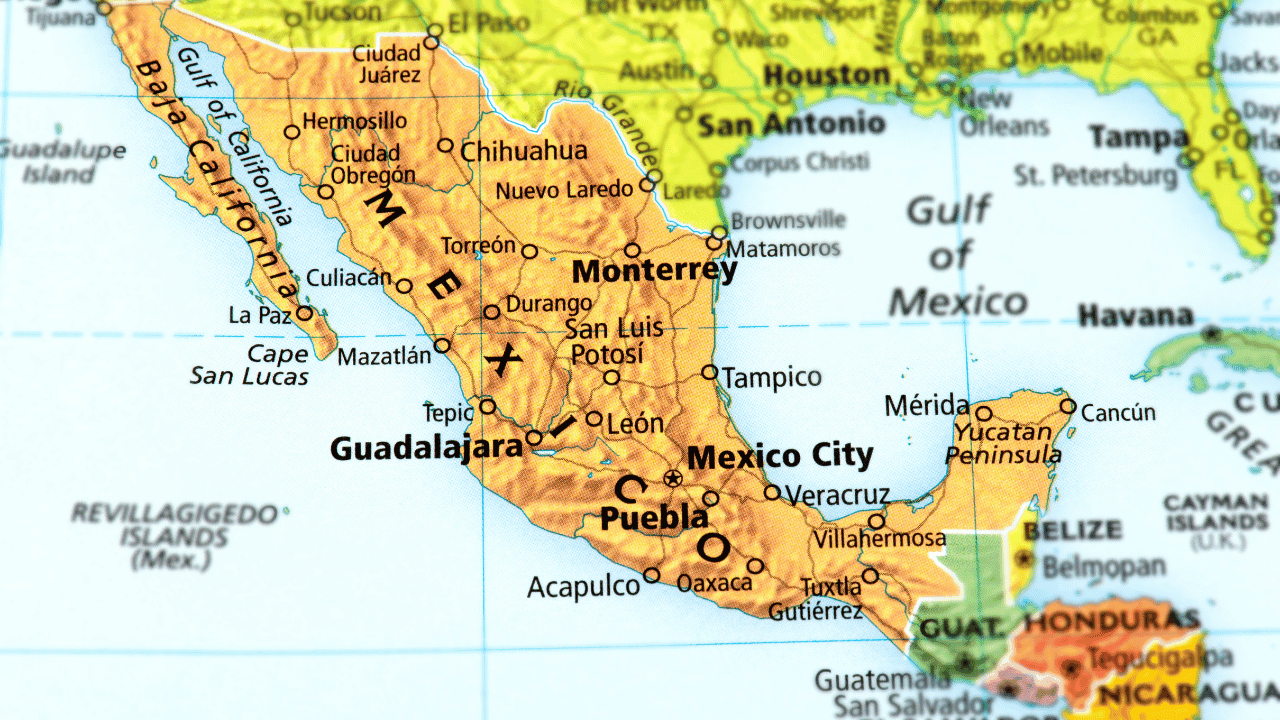
The town of Tequila in Jalisco became the epicenter of this new spirit's production. Spanish settlers, recognizing the potential of the blue agave plant, began cultivating it specifically for distillation. This marked the transition from mezcal to the more refined tequila, setting the stage for its rise to prominence.

Jalisco: The Heart of Tequila

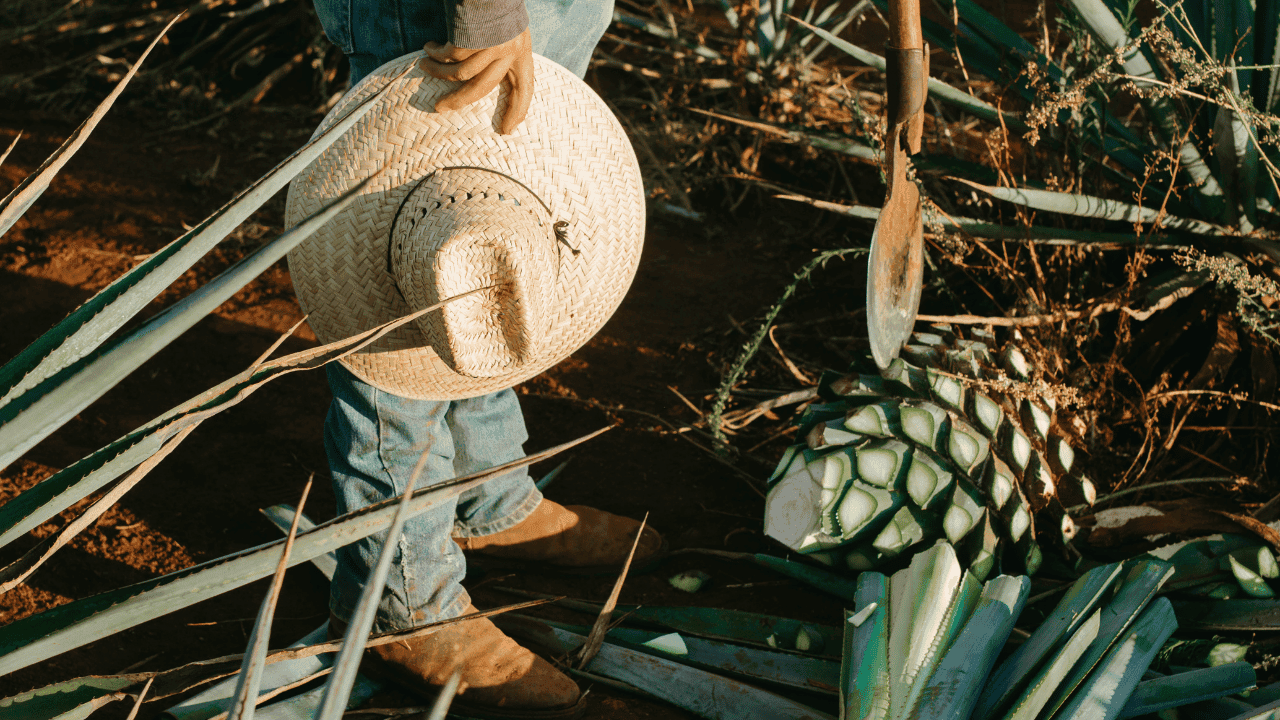
As the 18th and 19th centuries unfolded, Jalisco solidified its position as the heartland of tequila production. The region's unique microclimate and mineral-rich soil proved ideal for cultivating blue agave, the key ingredient in authentic tequila.

The establishment of the first commercial tequila distilleries in this period marked a significant milestone. Families like the Cuervo and Sauza began laying the groundwork for what would become global tequila empires. These pioneers refined cultivation techniques and distillation processes, elevating tequila from a local spirit to a product worthy of broader recognition.

Industry Growth and Regulation

The 20th century witnessed explosive growth in the tequila industry. As established brands expanded their reach, tequila began to capture international attention. This growth, however, brought challenges. To protect the integrity and authenticity of tequila, regulatory bodies like the Consejo Regulador del Tequila (CRT) were established.

These organizations set strict standards for tequila production, including the requirement that authentic tequila must be made from blue agave grown in specific regions of Mexico. This regulation not only preserved the quality of tequila but also cemented its status as a protected designation of origin, much like champagne or cognac.

Technological Advancements: Refining the Art

As the industry matured, so did the technology behind tequila production. Modern distillation equipment allowed for more precise control over the process, resulting in consistently high-quality spirits. Innovations in agave cultivation, such as improved irrigation techniques and pest management, ensured a steady supply of premium raw materials.

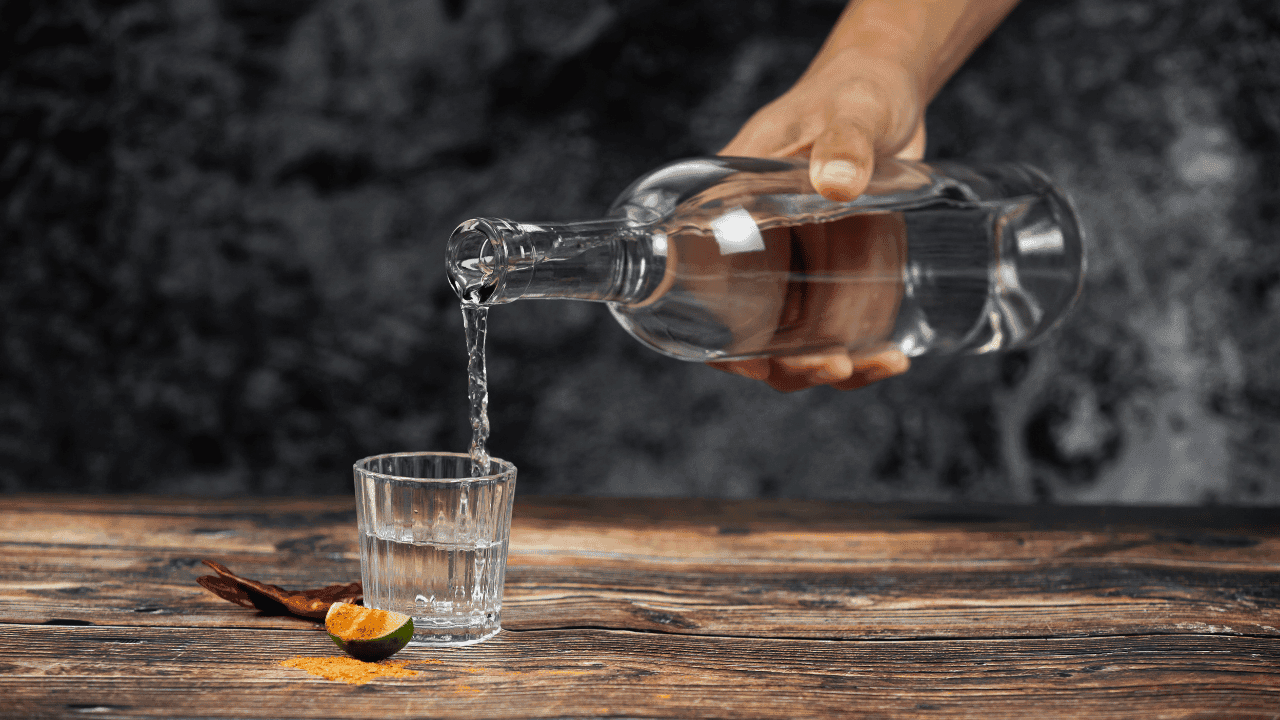
The art of aging tequila also evolved. While traditional silver (blanco) tequila remained popular, producers began experimenting with barrel aging. This led to the development of reposado, añejo, and extra añejo varieties, each offering a unique flavor profile that appealed to a broader range of palates.

Packaging and branding innovations played a crucial role in tequila's evolution as well. Elegant bottles and sophisticated marketing campaigns helped position premium tequilas as luxury spirits, challenging the perception of tequila as merely a party drink.

Global Phenomenon: Tequila's Cultural Impact

As tequila's popularity soared, it became deeply ingrained in global cocktail culture. The margarita, invented in the 1930s, became an international sensation, introducing millions to the joys of tequila. Tequila-themed Events and festivals began popping up worldwide, celebrating not just the spirit but also Mexican culture as a whole.

Marketing efforts played a significant role in shaping tequila's image. Brands like Emerald Spear Tequila have embraced storytelling, emphasizing their commitment to quality, tradition, and social responsibility. This approach has helped position tequila as a sophisticated spirit suitable for sipping and savoring, not just shooting.

Sustainability and Social Responsibility

As the tequila industry continues to grow, it faces new challenges. Concerns about environmental sustainability, agave scarcity, and social responsibility have come to the forefront. Forward-thinking producers are implementing sustainable practices, from water conservation to renewable energy use in distilleries.

Efforts to preserve agave biodiversity have gained traction, with some producers working to cultivate lesser-known agave varieties. This not only ensures the long-term sustainability of the industry but also opens up new flavor possibilities for tequila enthusiasts.

Many tequila brands have made social responsibility a core part of their mission. By supporting local communities and contributing to charitable causes, these companies are giving back to the regions that have made their success possible.

Tequila in the 21st Century and Beyond

As we look to the future, tequila's journey is far from over. Craft distilleries are pushing the boundaries of traditional production methods, experimenting with unique aging techniques and flavor infusions. The rise of ultra-premium tequilas has solidified the spirit's place among the world's finest liquors.

Consumer education has become a key focus, with tasting Events and brand ambassadors helping enthusiasts appreciate the nuances of different tequila styles. This increased knowledge has led to a more discerning market, driving producers to maintain high standards and continue innovating.

A Spirit of Enduring Legacy

Tequila's evolution from a humble agave spirit to a global phenomenon is a testament to its enduring appeal. Through centuries of innovation, regulation, and cultural exchange, tequila has maintained its connection to its Mexican roots while adapting to changing tastes and technologies.

As we raise a glass of Emerald Spear Tequila, we're not just enjoying a finely crafted spirit; we're participating in a rich cultural tradition that spans millennia. From the ancient Aztecs to modern mixologists, tequila has been a constant companion in celebrations, a subject of artistic expression, and a source of national pride for Mexico.

The story of tequila is far from over. As new generations of producers and enthusiasts continue to explore its potential, we can look forward to exciting innovations while honoring the time-tested traditions that make tequila truly legendary. Here's to the past, present, and future of Mexico's most iconic spirit – may it continue to inspire and delight for generations to come.

Raise a glass with us – grab your bottle here.
Tequila, Mexico's iconic spirit, has captivated palates and imaginations for centuries. 

From its humble beginnings in ancient Mesoamerica to its current status as a globally celebrated libation, tequila's journey is a testament to the rich cultural heritage of Mexico. Let's embark on a fascinating exploration of tequila's evolution, tracing its path from pre-Hispanic rituals to modern-day sophistication.

Ancient Origins: Agave's Sacred Roots

Long before the arrival of European colonizers, indigenous Mesoamerican cultures revered the agave plant. The Aztecs and Mayans considered it sacred, using its fermented sap to create pulque, a milky, mildly alcoholic beverage. This early agave spirit played a crucial role in religious ceremonies and daily life, laying the foundation for what would eventually become tequila.

Primitive distillation methods emerged, leading to the creation of mezcal, a smoky spirit made from various agave species. These early techniques, while rudimentary, set the stage for the refined processes that would later define tequila production.

Spanish Influence: The Birth of Tequila

The arrival of Spanish conquistadors in the 16th century marked a turning point in the evolution of agave spirits. European distillation technology, introduced by the Spanish, revolutionized the production process. This fusion of indigenous knowledge and European innovation gave birth to what we now recognize as tequila.

The town of Tequila in Jalisco became the epicenter of this new spirit's production. Spanish settlers, recognizing the potential of the blue agave plant, began cultivating it specifically for distillation. This marked the transition from mezcal to the more refined tequila, setting the stage for its rise to prominence.

Jalisco: The Heart of Tequila

As the 18th and 19th centuries unfolded, Jalisco solidified its position as the heartland of tequila production. The region's unique microclimate and mineral-rich soil proved ideal for cultivating blue agave, the key ingredient in authentic tequila.

The establishment of the first commercial tequila distilleries in this period marked a significant milestone. Families like the Cuervo and Sauza began laying the groundwork for what would become global tequila empires. These pioneers refined cultivation techniques and distillation processes, elevating tequila from a local spirit to a product worthy of broader recognition.

Industry Growth and Regulation

The 20th century witnessed explosive growth in the tequila industry. As established brands expanded their reach, tequila began to capture international attention. This growth, however, brought challenges. To protect the integrity and authenticity of tequila, regulatory bodies like the Consejo Regulador del Tequila (CRT) were established.

These organizations set strict standards for tequila production, including the requirement that authentic tequila must be made from blue agave grown in specific regions of Mexico. This regulation not only preserved the quality of tequila but also cemented its status as a protected designation of origin, much like champagne or cognac.

Technological Advancements: Refining the Art

As the industry matured, so did the technology behind tequila production. Modern distillation equipment allowed for more precise control over the process, resulting in consistently high-quality spirits. Innovations in agave cultivation, such as improved irrigation techniques and pest management, ensured a steady supply of premium raw materials.

The art of aging tequila also evolved. While traditional silver (blanco) tequila remained popular, producers began experimenting with barrel aging. This led to the development of reposado, añejo, and extra añejo varieties, each offering a unique flavor profile that appealed to a broader range of palates.

Packaging and branding innovations played a crucial role in tequila's evolution as well. Elegant bottles and sophisticated marketing campaigns helped position premium tequilas as luxury spirits, challenging the perception of tequila as merely a party drink.

Global Phenomenon: Tequila's Cultural Impact

As tequila's popularity soared, it became deeply ingrained in global cocktail culture. The margarita, invented in the 1930s, became an international sensation, introducing millions to the joys of tequila. Tequila-themed Events and festivals began popping up worldwide, celebrating not just the spirit but also Mexican culture as a whole.

Marketing efforts played a significant role in shaping tequila's image. Brands like Emerald Spear Tequila have embraced storytelling, emphasizing their commitment to quality, tradition, and social responsibility. This approach has helped position tequila as a sophisticated spirit suitable for sipping and savoring, not just shooting.

Sustainability and Social Responsibility

As the tequila industry continues to grow, it faces new challenges. Concerns about environmental sustainability, agave scarcity, and social responsibility have come to the forefront. Forward-thinking producers are implementing sustainable practices, from water conservation to renewable energy use in distilleries.

Efforts to preserve agave biodiversity have gained traction, with some producers working to cultivate lesser-known agave varieties. This not only ensures the long-term sustainability of the industry but also opens up new flavor possibilities for tequila enthusiasts.

Many tequila brands have made social responsibility a core part of their mission. By supporting local communities and contributing to charitable causes, these companies are giving back to the regions that have made their success possible.

Tequila in the 21st Century and Beyond

As we look to the future, tequila's journey is far from over. Craft distilleries are pushing the boundaries of traditional production methods, experimenting with unique aging techniques and flavor infusions. The rise of ultra-premium tequilas has solidified the spirit's place among the world's finest liquors.

Consumer education has become a key focus, with tasting Events and brand ambassadors helping enthusiasts appreciate the nuances of different tequila styles. This increased knowledge has led to a more discerning market, driving producers to maintain high standards and continue innovating.

A Spirit of Enduring Legacy

Tequila's evolution from a humble agave spirit to a global phenomenon is a testament to its enduring appeal. Through centuries of innovation, regulation, and cultural exchange, tequila has maintained its connection to its Mexican roots while adapting to changing tastes and technologies.

As we raise a glass of Emerald Spear Tequila, we're not just enjoying a finely crafted spirit; we're participating in a rich cultural tradition that spans millennia. From the ancient Aztecs to modern mixologists, tequila has been a constant companion in celebrations, a subject of artistic expression, and a source of national pride for Mexico.

The story of tequila is far from over. As new generations of producers and enthusiasts continue to explore its potential, we can look forward to exciting innovations while honoring the time-tested traditions that make tequila truly legendary. Here's to the past, present, and future of Mexico's most iconic spirit – may it continue to inspire and delight for generations to come.

Raise a glass with us – grab your bottle here.
Tequila, Mexico's iconic spirit, has captivated palates and imaginations for centuries. 

From its humble beginnings in ancient Mesoamerica to its current status as a globally celebrated libation, tequila's journey is a testament to the rich cultural heritage of Mexico. Let's embark on a fascinating exploration of tequila's evolution, tracing its path from pre-Hispanic rituals to modern-day sophistication.

Ancient Origins: Agave's Sacred Roots

Long before the arrival of European colonizers, indigenous Mesoamerican cultures revered the agave plant. The Aztecs and Mayans considered it sacred, using its fermented sap to create pulque, a milky, mildly alcoholic beverage. This early agave spirit played a crucial role in religious ceremonies and daily life, laying the foundation for what would eventually become tequila.

Primitive distillation methods emerged, leading to the creation of mezcal, a smoky spirit made from various agave species. These early techniques, while rudimentary, set the stage for the refined processes that would later define tequila production.

Spanish Influence: The Birth of Tequila

The arrival of Spanish conquistadors in the 16th century marked a turning point in the evolution of agave spirits. European distillation technology, introduced by the Spanish, revolutionized the production process. This fusion of indigenous knowledge and European innovation gave birth to what we now recognize as tequila.

The town of Tequila in Jalisco became the epicenter of this new spirit's production. Spanish settlers, recognizing the potential of the blue agave plant, began cultivating it specifically for distillation. This marked the transition from mezcal to the more refined tequila, setting the stage for its rise to prominence.

Jalisco: The Heart of Tequila

As the 18th and 19th centuries unfolded, Jalisco solidified its position as the heartland of tequila production. The region's unique microclimate and mineral-rich soil proved ideal for cultivating blue agave, the key ingredient in authentic tequila.

The establishment of the first commercial tequila distilleries in this period marked a significant milestone. Families like the Cuervo and Sauza began laying the groundwork for what would become global tequila empires. These pioneers refined cultivation techniques and distillation processes, elevating tequila from a local spirit to a product worthy of broader recognition.

Industry Growth and Regulation

The 20th century witnessed explosive growth in the tequila industry. As established brands expanded their reach, tequila began to capture international attention. This growth, however, brought challenges. To protect the integrity and authenticity of tequila, regulatory bodies like the Consejo Regulador del Tequila (CRT) were established.

These organizations set strict standards for tequila production, including the requirement that authentic tequila must be made from blue agave grown in specific regions of Mexico. This regulation not only preserved the quality of tequila but also cemented its status as a protected designation of origin, much like champagne or cognac.

Technological Advancements: Refining the Art

As the industry matured, so did the technology behind tequila production. Modern distillation equipment allowed for more precise control over the process, resulting in consistently high-quality spirits. Innovations in agave cultivation, such as improved irrigation techniques and pest management, ensured a steady supply of premium raw materials.

The art of aging tequila also evolved. While traditional silver (blanco) tequila remained popular, producers began experimenting with barrel aging. This led to the development of reposado, añejo, and extra añejo varieties, each offering a unique flavor profile that appealed to a broader range of palates.

Packaging and branding innovations played a crucial role in tequila's evolution as well. Elegant bottles and sophisticated marketing campaigns helped position premium tequilas as luxury spirits, challenging the perception of tequila as merely a party drink.

Global Phenomenon: Tequila's Cultural Impact

As tequila's popularity soared, it became deeply ingrained in global cocktail culture. The margarita, invented in the 1930s, became an international sensation, introducing millions to the joys of tequila. Tequila-themed Events and festivals began popping up worldwide, celebrating not just the spirit but also Mexican culture as a whole.

Marketing efforts played a significant role in shaping tequila's image. Brands like Emerald Spear Tequila have embraced storytelling, emphasizing their commitment to quality, tradition, and social responsibility. This approach has helped position tequila as a sophisticated spirit suitable for sipping and savoring, not just shooting.

Sustainability and Social Responsibility

As the tequila industry continues to grow, it faces new challenges. Concerns about environmental sustainability, agave scarcity, and social responsibility have come to the forefront. Forward-thinking producers are implementing sustainable practices, from water conservation to renewable energy use in distilleries.

Efforts to preserve agave biodiversity have gained traction, with some producers working to cultivate lesser-known agave varieties. This not only ensures the long-term sustainability of the industry but also opens up new flavor possibilities for tequila enthusiasts.

Many tequila brands have made social responsibility a core part of their mission. By supporting local communities and contributing to charitable causes, these companies are giving back to the regions that have made their success possible.

Tequila in the 21st Century and Beyond

As we look to the future, tequila's journey is far from over. Craft distilleries are pushing the boundaries of traditional production methods, experimenting with unique aging techniques and flavor infusions. The rise of ultra-premium tequilas has solidified the spirit's place among the world's finest liquors.

Consumer education has become a key focus, with tasting Events and brand ambassadors helping enthusiasts appreciate the nuances of different tequila styles. This increased knowledge has led to a more discerning market, driving producers to maintain high standards and continue innovating.

A Spirit of Enduring Legacy

Tequila's evolution from a humble agave spirit to a global phenomenon is a testament to its enduring appeal. Through centuries of innovation, regulation, and cultural exchange, tequila has maintained its connection to its Mexican roots while adapting to changing tastes and technologies.

As we raise a glass of Emerald Spear Tequila, we're not just enjoying a finely crafted spirit; we're participating in a rich cultural tradition that spans millennia. From the ancient Aztecs to modern mixologists, tequila has been a constant companion in celebrations, a subject of artistic expression, and a source of national pride for Mexico.

The story of tequila is far from over. As new generations of producers and enthusiasts continue to explore its potential, we can look forward to exciting innovations while honoring the time-tested traditions that make tequila truly legendary. Here's to the past, present, and future of Mexico's most iconic spirit – may it continue to inspire and delight for generations to come.

Raise a glass with us – grab your bottle here.

Author / Emerald Spear Tequila

Author / Emerald Spear Tequila

Author / Emerald Spear Tequila

Share this article
Share this article
Share this article

emerald spear blog

emerald spear blog

emerald spear blog

you may also like

you may also like

you may also like

Craftsmanship

Unlock the art of tequila tasting! Discover essential tips, techniques, and flavor profiles to elevate your appreciation for fine spirits li

Craftsmanship

Unlock the art of tequila tasting! Discover essential tips, techniques, and flavor profiles to elevate your appreciation for fine spirits li

Craftsmanship

Unlock the art of tequila tasting! Discover essential tips, techniques, and flavor profiles to elevate your appreciation for fine spirits li

Craftsmanship

Explore agave varieties like Blue Weber, Espadín & Tobalá to understand how they impact the taste of your favorite tequila.

Craftsmanship

Explore agave varieties like Blue Weber, Espadín & Tobalá to understand how they impact the taste of your favorite tequila.

Craftsmanship

Explore agave varieties like Blue Weber, Espadín & Tobalá to understand how they impact the taste of your favorite tequila.

ClearPath
ClearPath
ClearPath

keep comms open.

keep comms open.

keep comms open.

An elite, small batch tequila celebrating camaraderie, shared experiences, and the vibrancy of Coronado.

An elite, small batch tequila celebrating camaraderie, shared experiences, and the vibrancy of Coronado.

An elite, small batch tequila celebrating camaraderie, shared experiences, and the vibrancy of Coronado.

By clicking Sign Up you're confirming that you agree with our Privacy Policy and Terms of Service.

By clicking Sign Up you're confirming that you agree with our Privacy Policy and Terms of Service.

By clicking Sign Up you're confirming that you agree with our Privacy Policy and Terms of Service.

PLEASE ENJOY EMERALD SPEAR TEQUILA RESPONSIBLY. ©2024. EMERALD SPEAR TEQUILA, ITS TRADE DRESS AND THE TRIDENT LOGO ARE TRADEMARKS. HANDCRAFTED IN MEXICO. IMPORTED BY CNS BEVERAGES, CORP, SAGLE, ID., USA TEQUILA – 40% ALC. BY VOL. CONTENT FOR 21+. ONLY SHARE WITH THOSE OF LEGAL DRINKING AGE. FOR MORE INFORMATION ON ALCOHOL RESPONSIBILITY VISIT RESPONSIBLEDRINKING.ORG AND RESPONSIBILITY.ORG.

© 2024 Emerald Spear Tequila. All rights reserved.

PLEASE ENJOY EMERALD SPEAR TEQUILA RESPONSIBLY. ©2024. EMERALD SPEAR TEQUILA, ITS TRADE DRESS AND THE TRIDENT LOGO ARE TRADEMARKS. HANDCRAFTED IN MEXICO. IMPORTED BY CNS BEVERAGES, CORP, SAGLE, ID., USA TEQUILA – 40% ALC. BY VOL. CONTENT FOR 21+. ONLY SHARE WITH THOSE OF LEGAL DRINKING AGE. FOR MORE INFORMATION ON ALCOHOL RESPONSIBILITY VISIT RESPONSIBLEDRINKING.ORG AND RESPONSIBILITY.ORG.

© 2024 Emerald Spear Tequila. All rights reserved.

PLEASE ENJOY EMERALD SPEAR TEQUILA RESPONSIBLY. ©2024. EMERALD SPEAR TEQUILA, ITS TRADE DRESS AND THE TRIDENT LOGO ARE TRADEMARKS. HANDCRAFTED IN MEXICO. IMPORTED BY CNS BEVERAGES, CORP, SAGLE, ID., USA TEQUILA – 40% ALC. BY VOL. CONTENT FOR 21+. ONLY SHARE WITH THOSE OF LEGAL DRINKING AGE. FOR MORE INFORMATION ON ALCOHOL RESPONSIBILITY VISIT RESPONSIBLEDRINKING.ORG AND RESPONSIBILITY.ORG.

© 2024 Emerald Spear Tequila. All rights reserved.